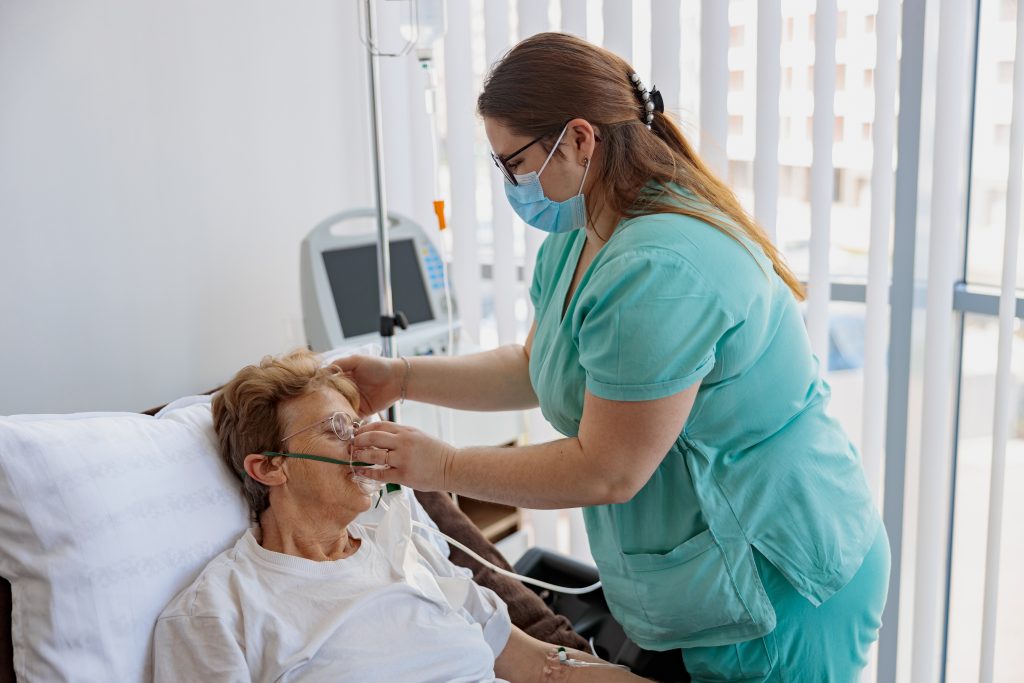
Top CNA Programs in Arizona: 2026 Rankings & Cost Guide

Compare tuition, program length, pass rates, and career outcomes at Arizona's highest-rated CNA training programs.

By Maria Delgado, RNReviewed by TopNursing.org TeamUpdated May 29, 202625+ min read
Top CNA Programs in Arizona (2026 Ranked & Compared)

Points of interest…

  • Most aspiring CNAs in Arizona finish training in 4 to 12 weeks and are working within 2 to 3 months.
  • Nursing assistants in Phoenix earn a median $42,690 per year, while statewide pay ranges from $35,830 to $42,690.
  • Employer-sponsored and WIOA-funded programs can eliminate CNA training costs entirely for eligible Arizonans.
  • Lifework Education’s hybrid program in Mesa allows students to complete CNA certification in as few as four weeks.

Arizona nursing assistants in the Phoenix metro area earn a median annual wage of $42,690. Yet the price tag to enter the field can range from zero to over $22,000, depending on the program. The ranking below compares 22 CNA programs statewide on net price, completion rates, and eventual earnings to help identify which schools deliver the strongest return. Employer-sponsored and grant-funded training is quietly rewriting the affordability equation, turning a certificate that once carried real financial risk into a viable first step toward a nursing career.

2026 Best CNA Programs in Arizona (Ranked)

Our ranking evaluates top Certified Nursing Assistant programs in Arizona based on a combination of cost, completion, and graduate outcomes. We consider each institution’s net price for full-time first-time undergraduates, the overall graduation rate (reflecting the entire student body, not just CNA students), and the median earnings of former students ten years after entry. This data-driven approach helps you identify programs that balance affordability with strong student success indicators.

Factors considered
  • Net price affordability
  • Institutional graduation rate
  • Graduate earnings outcomes
  • Program accessibility and format
Data sources
RankSchoolLocationNet priceBest for
#1
Mohave Community College
Kingman, AZ~$6,000/yr (est.)Rural learners needing accelerated local training

Mohave Community College in Kingman offers a one-semester Nursing Assistant certificate designed to prepare students for the Arizona state certification exam. The program stands out for its low in-state tuition and flexible accelerated 8-week format alongside the traditional 16-week track, with classes available at all campus locations. Recent Arizona CNA exam pass rates have ranged from 80% to 90%, reflecting solid preparation within a supportive, rural-oriented community college.

Nursing Assistant — On-Campus
  • One-semester certificate program with traditional 16-week or accelerated 8-week tracks
  • Available at all campus locations in fall, spring, and summer terms
  • Prepares students for the Arizona Board of Nursing Assistant Certification Examination
  • Combines classroom instruction, lab practice, and hands-on clinical experience
  • Low in-state tuition makes it an affordable entry point into Arizona healthcare
  • Monthly information sessions via Zoom help prospective students plan enrollment
  • Requires placement assessment or completion of basic education courses for admission
  • Health and background documentation due prior to clinical start

Cochise College's one-semester Nursing Assistant Certificate in Sierra Vista is a compact 6-credit pathway into healthcare. The program focuses on geriatric care and covers CPR, first aid, and clinical practice at local facilities, all meeting Arizona State Board standards. With affordable tuition and a curriculum tailored to the needs of southern Arizona communities, it’s a practical choice for students who want to enter the workforce quickly.

Nursing Assistant Certificate — On-Campus
  • Compact 6-credit certificate completed in one semester
  • Arizona State Board-approved curriculum with geriatric care emphasis
  • Clinical rotations at local healthcare facilities for real-world experience
  • Includes CPR and first aid certification as part of training
  • Minimum age 16 with background check and vaccination records required
  • Affordable in-state tuition for Pinal and neighboring county residents
  • Spring, summer, and fall start dates for flexible enrollment
  • Graduates eligible to sit for the state CNA certification exam

Pima Medical Institute’s East Valley campus in Mesa offers an intensive 6-week Nursing Assistant/Nurse Aide certificate program built for speed. Students receive hands-on training from day one, covering infection control, patient care, and communication skills. The program is accredited by ABHES and meets Arizona licensure requirements, with graduates eligible to take the CNA exam immediately. While net price is higher than community colleges, financial aid options help offset costs.

Nursing Assistant / Nurse Aide Certificate — Hybrid
  • Fast-paced six-week certificate program for rapid entry into healthcare
  • Hands-on training from day one with clinical externships included
  • Prepares students for the Arizona Certified Nursing Assistant exam
  • Covers infection control, emergency procedures, and basic nursing skills
  • Emphasizes communication and soft skills for patient-centered care
  • ABHES-accredited and Arizona State Board of Nursing licensed
  • Financial aid options and career services support available
  • Accessible admissions requirements with no prerequisite courses

Western Maricopa Education Center’s one-year Nursing Services program in Glendale blends clinical and administrative training for aspiring nursing assistants. It emphasizes realistic patient simulations and prepares students for the Headmaster LLP Examination and OSHA 10 certification at no extra cost. While targeted primarily at high school students, this program provides a strong foundation for CNA roles and further nursing education.

Nursing Services — On-Campus
  • One-year program combining classroom learning and simulated clinical practice
  • Prepares students for Headmaster LLP Examination and OSHA 10 certification
  • No additional cost for certification tests, included in the program
  • Campus-based in Glendale with realistic patient simulation experiences
  • Emphasizes patient advocacy, teamwork, and professional communication
  • IEP and 504 accommodations available for eligible students

Regional Center for Border Health in Somerton provides a tightly focused 6-week Nursing Assistant program tailored to the needs of the Yuma region. The 160-hour curriculum covers essential clinical skills and includes a 65-hour clinical externship, all for a total cost that bundles tuition, books, and exam fees. Admission requires a high school diploma or GED and TABE assessment, ensuring readiness for the fast-paced format.

Nursing Assistant — On-Campus
  • Fast 6-week program with 160 total instruction hours
  • All-inclusive cost covers tuition, materials, uniforms, and exam fees
  • 65-hour supervised clinical externship at local healthcare facilities
  • CPR certification included as part of the curriculum
  • Prepares students for Arizona state nursing assistant certification
  • Requires high school diploma or GED and TABE assessment score of 8.0
  • Background check and age 18+ required for admission

Estrella Mountain Community College in Avondale offers the NUR158 Nursing Assistant course, a one-semester program that aligns with Arizona State Board of Nursing standards. Students gain skills in acute and long-term care, therapeutic communication, and holistic patient support. Admission requires reading and math proficiency assessments, along with health and safety documentation, ensuring a prepared cohort.

Nursing Assistant Course (NUR158) — On-Campus
  • One-semester course approved by the Arizona State Board of Nursing
  • Prepares for both Certified and Licensed Nursing Assistant exams
  • Curriculum covers acute and long-term care skills with a holistic approach
  • Clinical experiences integrated into the program for hands-on learning
  • Admission requires reading and math proficiency assessments
  • Health and safety documentation required prior to clinical start

Chandler-Gilbert Community College’s Nurse Assisting Certificate is a fast-track program designed to quickly prepare students for CNA roles in the Phoenix area. With only 2 to 4.5 credits, it includes clinical laboratory practice and emphasizes therapeutic interventions and technology integration. The program reports strong institution-wide earnings outcomes for graduates, and part-time options make it accessible for working students.

Nurse Assisting — On-Campus
  • Fast Track certificate requiring only 2 to 4.5 credits for completion
  • Combines classroom instruction with clinical laboratory practice
  • Fingerprint clearance and health documentation required for enrollment
  • Part-time course option available for flexible scheduling
  • Graduates eligible to sit for the Arizona CNA certification exam
  • High school diploma or equivalent required for admission

Pima Community College in Tucson delivers a one-semester Nursing Assistant certificate that serves as a stepping stone into nursing pathways. The program offers in-person training at multiple campus locations, with credits that can later apply to Pima’s LPN certificate and RN degree. With a low net price, it’s an economical choice for students looking to start a healthcare career in southern Arizona.

Nursing Assistant — On-Campus
  • One-semester certificate available at multiple Tucson-area campuses
  • Credits can be applied toward Pima’s LPN certificate and RN degree
  • Prepares for Arizona CNA and Licensed Nursing Assistant exams
  • Includes hands-on clinical instruction and patient care practice
  • Additional admission requirements apply beyond general college enrollment
  • Affordable net price with strong student support resources

Pima Medical Institute’s Phoenix campus provides the same rapid 6-week Nursing Assistant/Nurse Aide certificate as its East Valley counterpart, located in the heart of the Phoenix metro. Students benefit from hands-on training, clinical externships, and career services support. While program-specific earnings are not published, the institute has an overall graduation rate of nearly 65% and strong student retention.

Nursing Assistant / Nurse Aide Certificate — On-Campus
  • Rapid 6-week on-campus certificate program in Phoenix
  • Hands-on training with clinical externship experiences
  • Prepares for the state Certified Nursing Assistant exam
  • Covers infection control, basic nursing skills, and emergency procedures
  • Career services and financial aid options available to support students
  • ABHES-accredited and Arizona Board of Nursing licensed

Central Arizona College in Coolidge offers a Nursing Assistant certificate program that provides entry-level clinical training and can serve as a foundation for the college’s competitive Nursing AAS degree. While specific program details are limited, the institution’s strong NCLEX-RN pass rates and job placement numbers reflect a serious commitment to nursing education. This low-cost public option aligns with the needs of Pinal County residents.

Nursing Assistant Program — On-Campus
  • Certificate program providing foundational nursing assistant training
  • Campus-based in Coolidge with access to simulation and clinical labs
  • Affordable public college tuition for in-state students
  • Contact the health careers division for current curriculum and admissions details

CNA Program Cost Comparison in Arizona

Beyond tuition, CNA students in Arizona should budget for several required fees and supplies. The table below breaks down typical additional costs, based on 2026 data from programs across the state.

Cost ItemLowHighNotes
State Exam Fee$130$130Uniform across Arizona
Fingerprint / Background Check$44$100Varies by provider; examples: $44-$100
Textbooks and Supplies$51$165Depends on program; examples: $51-$165
CPR Certification$75$79Typically $75-$79
Scrubs / Uniform$25$40One set may suffice
Total Additional Costs$275$525Estimated range for all items above

Questions to Ask Yourself

Many Arizona programs offer flexible formats, but availability varies. Confirm your chosen provider's schedule early to avoid conflicts with work or family.

Full-time CNA courses demand daily attendance and clinical hours. If that pace is unrealistic, part-time or hybrid alternatives can help you persist and complete certification.

Some Arizona healthcare employers cover tuition in exchange for a work commitment, and WIOA grants may fully fund eligible students. Not checking these options could mean missing free tuition and a direct job pathway.

How to Become a CNA in Arizona: Step-by-Step

Becoming a certified nursing assistant in Arizona follows a straightforward five-step process. Most candidates complete training within 4-12 weeks and are working within 2-3 months.

5-step sequence: prerequisites, training, exam, application, certification for Arizona CNA.

Arizona CNA Certification Exam: What to Expect

Passing the Arizona CNA certification exam is the final step before you can work as a certified nursing assistant in the state. The exam is administered by D&S Diversified Technologies – Headmaster (D&SDT-Headmaster), a vendor contracted by the Arizona Board of Nursing. It consists of two parts: a knowledge test and a skills evaluation. Both must be passed to earn your CNA credential.

Exam Format and Content

The knowledge test is a written (or optional oral) exam with 75 multiple-choice questions. You have 90 minutes to complete it. For candidates who prefer an oral version, an English or Spanish oral test is available for a slightly higher fee. The skills evaluation requires you to demonstrate 3 to 4 randomly selected nursing assistant tasks in a simulated clinical setting. You will have 40 minutes to complete the skills portion, and you must perform each skill correctly according to the evaluator's checklist.

Exam Fees and Scheduling

Fees are set by the vendor and must be paid at the time of scheduling. The written knowledge test costs $30, while the oral version costs $40. The skills evaluation costs between $80 and $90, depending on the test site. Payment is accepted via Visa or MasterCard.

You can schedule your exam only after your training program registers you in the WebETest system. Once registered, you schedule online through WebETest or by calling 800-393-8664. It is a good idea to schedule early, as testing slots fill up, especially in busy metro areas like Phoenix and Tucson.

Exam Results and Pass Rates

Results are typically reported to the Arizona Board of Nursing within a few days of your test date. You will receive a score report immediately after the skills evaluation, but the official pass/fail status is confirmed by the board once both parts are complete.

Pass rates broken down by school are not publicly available through the Arizona Board of Nursing or the testing vendor. If you want to gauge how well a particular program prepares students for the exam, consider asking the program directly for its recent graduate success data or speaking with recent alumni.

Retake Policies

If you do not pass a section on your first try, you have unlimited attempts to retake the exam. However, there are waiting periods for the knowledge test: after a third failure, you must wait 45 days before retesting. No waiting period applies to the skills portion. There is no mandatory retraining requirement, but many candidates use the waiting time to enroll in a refresher course or practice clinical skills with a study group. Retake fees apply each time you test.

CNA Salary and Job Outlook in Arizona

CNA salaries in Arizona vary by location and employer demand. The Phoenix metro area employs the most nursing assistants and offers a median annual wage of $42,690. Across the state, median wages range from around $35,830 in Yuma to $42,690 in Phoenix, according to the latest U.S. Bureau of Labor Statistics data.

Metro AreaTotal EmploymentMean Annual Wage25th PercentileMedian Annual Wage75th Percentile
Phoenix-Mesa-Chandler, AZ1174043740383604269045520
Tucson, AZ281042090373403931045520
Prescott Valley-Prescott, AZ58043430379804207046470
Lake Havasu City-Kingman, AZ44040000339803968042570
Flagstaff, AZ40042260414404144041560
Yuma, AZ40037850354503583038720
Sierra Vista-Douglas, AZ18038620359103722041670

What CNA Graduates Actually Earn: Program-Level Data

Federal College Scorecard data for short-term certificate programs like CNA is not yet published, so program-level earnings are unavailable. For statewide context, the Bureau of Labor Statistics reports the following median wage for nursing assistants in Arizona.

Median nursing assistant wage in Arizona is $37,260 per year, 2024 BLS.

Online, Evening & Accelerated CNA Programs in Arizona

Lifework Education’s hybrid CNA program in Mesa runs daytime, evening, and weekend cohorts that students can complete in as few as four weeks. That kind of schedule variety answers the most pressing question for many aspiring nursing assistants: how to fit training around work, family, and other commitments.

Can You Earn CNA Certification Online in Arizona?

No program offers a fully online path to CNA certification. The Arizona State Board of Nursing mandates a minimum number of supervised clinical hours in a healthcare setting, and those hours must be completed in person. What you can find, however, are hybrid programs that move the lecture and theory portions online while keeping the hands‑on lab and clinical rotations on campus or at an approved facility. Lifework Education and Northland Pioneer College both structure their CNA training this way, giving students the flexibility to complete coursework remotely and then attend scheduled in-person clinical sessions.

Evening, Weekend, and Accelerated Schedules: Programs That Fit Your Life

Beyond the online‑lecture option, many training centers across the Phoenix and Tucson metro areas now offer evening, weekend, and accelerated formats. A few options that illustrate the range:

  • Lifework Education (Mesa): Hybrid delivery, with cohorts available during daytime, evening, and weekend time slots. Program length varies from 4 to 8 weeks depending on the schedule you choose.
  • Star Canyon School of Nursing (Phoenix): Offers daytime and evening lecture options, with all clinical rotations taking place on weekends. This pattern works well for students who work a traditional weekday job.
  • Arizona Technical Training Institute (Phoenix): Runs in‑person morning, evening, and weekend cohorts lasting 5 to 8 weeks. The school maintains a fixed schedule of start dates throughout the year.
  • Medstar Academy (Peoria): Provides the most compressed timeline: a 3‑week accelerated program alongside standard 5‑ and 7‑week tracks. Daytime, evening, and weekend sections are available, though the accelerated option typically runs during daytime hours.
  • Mesa Community College (Mesa): Offers a 6‑week CNA program with morning, evening, and weekend sections. As a community college, it often serves students who plan to ladder into an LPN or RN program later.

Each of these schools delivers in‑person clinical training, the state’s non‑negotiable requirement, while letting you arrange the classroom portion around your life. If you need evening classes, a weekend clinical schedule, or an accelerated 3‑ or 4‑week finish, there is likely a program within commuting distance of Phoenix, Mesa, or Peoria. As you compare options, verify whether the published schedule refers to the full program length or just the classroom phase, and confirm the exact days and hours of clinical rotations before you enroll.

Free & Employer-Sponsored CNA Training in Arizona

A growing number of Arizona healthcare employers now cover the full cost of CNA training, fundamentally changing who can afford to enter the field. This shift is making certified nursing assistant careers accessible to thousands who might otherwise be priced out, but it also comes with strings attached that are worth understanding before you sign up.

WIOA-Funded Training Through Arizona@Work

The Workforce Innovation and Opportunity Act (WIOA) is the single largest source of free CNA training in the state. If you are unemployed, underemployed, low-income, a veteran, or recently dislocated from a job, you likely qualify. WIOA funds are administered through local Arizona@Work career centers, and they will only pay for programs on the state's Eligible Training Provider List.

Maricopa Community Colleges are among the largest WIOA-approved providers. To start, you fill out an intake form for Maricopa County: Phoenix residents can email [email protected] or [email protected], depending on where you live. Pima Community College in Tucson is also WIOA-eligible and often a top choice for southern Arizona residents. You can browse current CNA program listings on the Arizona Job Connection website to see which other private vocational schools are approved, but always verify with your caseworker before enrolling.

Facility-Provided Training with Work Commitments

Many Arizona nursing homes and hospitals will train you for free if you agree to work for them afterward. Haven Health, which operates multiple skilled nursing facilities across the state, openly advertises paid CNA training with a post-certification employment commitment. Under federal rules, Medicare-certified nursing facilities cannot charge you for the training itself, though they may require you to work for them for a set period or reimburse the cost on a pro-rata basis if you leave within 12 months.

Larger hospital systems, including Banner Health, occasionally run their own CNA programs for internal hires or community applicants, but availability shifts with staffing needs. Check current openings directly on employer websites or through Arizona@Work listings. The key trade-off: you graduate without debt, but you are tied to that employer for six months to a year, often on a specific shift or unit.

Community College Options and Financial Aid

Even without WIOA, Arizona's community colleges remain the most affordable path. In-district tuition at Maricopa or Pima colleges is already low, and both accept federal Pell Grants and FAFSA, which often bring your out-of-pocket cost to zero. Some private vocational programs are also WIOA-eligible, but you must confirm their status on the Eligible Training Provider List before paying anything.

What to Watch For: Commitments, Waitlists, and Limits

Free training is rarely instant or unconditional. WIOA slots fill fast, and you may wait weeks or months for a cohort opening. Employer programs often require a high school diploma or GED, a clean background check, and a signed work agreement. If you leave before the commitment, you may owe the full tuition back. Geography also matters: most free programs cluster around Phoenix and Tucson, leaving rural areas with fewer no-cost options. Always get the terms in writing before starting any free CNA class in Arizona.

Did You Know?

Between WIOA funding, employer-sponsored training, and local community grants, many Arizonans can earn their CNA certification with no out-of-pocket expense. Early application is critical, as these programs have limited capacity and strict eligibility requirements, so plan ahead and check with your local workforce development board or healthcare employer for current openings.

Career Advancement: CNA to LPN and RN Pathways in Arizona

For CNAs ready to advance, the decision often comes down to speed versus scope: a one-year practical nursing program leading to LPN, or a longer degree program culminating in the broader responsibilities of an RN. Each path builds on the clinical skills and patient-care savvy you already possess.

CNA to LPN: A Practical Step

A practical nursing diploma typically takes about 12 months and opens the door to the LPN role. In Arizona, LPNs earn a median salary that exceeds $56,000 annually, a significant jump from the CNA median of $41,980, according to BLS state data. LPN programs blend classroom learning with supervised clinicals, covering fundamentals like medication administration, wound care, and patient assessment. Many Arizona community colleges and private schools offer these programs, and prior CNA experience often allows applicants to meet clinical prerequisites or earn points in competitive admissions.

Associate Degree in Nursing: The Fast Track to RN

For those aiming higher, an Associate Degree in Nursing (ADN) takes roughly two years and prepares you for the NCLEX-RN. Arizona RNs earn a median salary around $86,000, nearly doubling the typical CNA wage. ADN programs are offered at many community colleges with flexible schedules, including evening and hybrid options. Your background as a CNA provides a solid foundation in patient interaction, time management, and vital-sign monitoring, giving you a leg up in clinical rotations and coursework.

Bachelor of Science in Nursing: Expanded Opportunities

A four-year BSN degree opens doors to leadership, public health, and specialized hospital settings. Many employers now prefer or require the BSN, especially in Magnet-recognized hospitals. CNAs can enroll directly in a pre-licensure BSN program or complete an ADN first, then bridge through an RN-to-BSN program online while working. The salary premium for BSN-prepared nurses can be substantial, though initial Arizona RN wages are similar until experience kicks in.

The CNA Advantage in Admissions

Nursing programs in Arizona are competitive, but CNA experience is a powerful differentiator. Admissions panels know that CNAs already understand fast-paced clinical environments and basic nursing tasks. Some schools award bonus points for current CNA certification, and your reference letters from supervising nurses carry extra weight. This advantage extends to LPN, ADN, and BSN pathways alike, and it positions you well for future nurse practitioner or clinical leadership programs after you earn your RN license.

Frequently Asked Questions About CNA Programs in Arizona

Below we answer the most common questions prospective students ask about CNA training and certification in Arizona. Each answer draws on the program details and state requirements covered throughout this guide.

How long does it take to get CNA certified in Arizona?
Arizona requires 120 hours of training: at least 40 hours of classroom instruction and 80 hours of supervised clinical practice. Many programs can be completed in 4 to 8 weeks with full-time attendance. After finishing training, you must pass the state competency exam, which typically schedules within a few weeks, so total time from enrollment to certification is often 2-3 months.
How much do CNA classes cost in Arizona?
Tuition for CNA programs in Arizona generally ranges from $500 to $2,000, depending on the school and format. Community colleges tend to be on the lower end, while private institutions may cost more. Many programs include books, supplies, and exam fees in the quoted price, but it's wise to ask for a detailed breakdown. Financial aid and payment plans may be available.
What are the requirements to become a CNA in Arizona?
You must be at least 16 years old, though many employers prefer 18. A high school diploma or GED is not always required but helps. You'll need to pass a criminal background check, provide proof of immunizations, and complete a state-approved CNA training program. After training, you must pass the Arizona Nurse Aide Competency Evaluation Exam to be placed on the state registry.
Can you get CNA certification online in Arizona?
While some coursework can be completed online, Arizona requires in-person clinical hours for certification. Many schools offer hybrid programs where theory and lectures are delivered online, but the 80 hours of clinical training must be done at an approved healthcare facility. Check with the program to ensure it meets the Arizona State Board of Nursing's requirements before enrolling.
Are there free CNA programs in Arizona?
Yes, free or low-cost CNA training is available through several avenues. Many nursing homes and long-term care facilities offer employer-sponsored programs that cover tuition in exchange for a work commitment. Workforce development grants, community college programs, and nonprofit organizations also sometimes fund training for qualifying individuals. Always verify that the program is state-approved.
What is the difference between a CNA and an LNA in Arizona?
In Arizona, the terms Certified Nursing Assistant (CNA) and Licensed Nursing Assistant (LNA) are often used interchangeably. Both refer to the same entry-level nursing role after completing approved training and passing the state exam. Some states use LNA, but Arizona officially uses CNA. The scope of practice and certification process are essentially the same.
How much does a CNA make in Arizona?
According to BLS data, the national median annual wage for nursing assistants was about $38,000 in 2024. In Arizona, CNAs typically earn slightly less, with many starting around $33,000 to $36,000 per year depending on location and employer. The Phoenix area generally offers higher wages than rural regions. Experience, certifications, and shift differentials can increase earnings.

More CNA Programs in Arizona to Consider

If the top-ranked programs don’t fit your location or schedule, these additional CNA programs across Arizona offer more options. Browse the directory below to compare formats, locations, and net prices. All programs listed meet Arizona State Board of Nursing requirements.

Phoenix Metro Area

Pima Medical Institute-Mesa
Offers a 6-week Nursing Assistant/Nurse Aide certificate with on-campus training and an optional hybrid format. Focuses on clinical skills, infection control, and patient communication.
  • Nursing Assistant/Nurse Aide Certificate Program
  • Nursing Assistant/Nurse Aide
  • Nursing Assistant /Nurse Aide
Mesa, AZ · On-Campus
GateWay Community College
Certificate of Completion in Nurse Assisting, campus-based and approved by the Arizona State Board of Nursing. Teaches vital signs, bathing, and personal hygiene. Net price approximately $13,339.
  • Nurse Assisting
Phoenix, AZ · On-Campus
Paradise Valley Community College
Fast-track Nurse Assisting Certificate of Completion, typically completed in two semesters. Includes classroom, lab, and clinical experiences. Approved for state certification.
  • Nurse Assisting
  • Certificate of Completion (CCL) in Nurse Assisting
  • Nurse Assistant
Phoenix, AZ · On-Campus
GateWay Community College-Central City
Offers a Certificate of Completion in Nurse Assisting at the 18th Street campus. Includes an advanced course option for experienced individuals seeking CNA certification.
  • Nurse Assisting
Phoenix, AZ · On-Campus
Mesa Community College
Nurse Assisting Certificate of Completion with ACEN accreditation. Covers patient care skills for acute, long-term, and community settings. Prepares for Arizona licensure.
  • Nurse Assisting
Mesa, AZ · On-Campus
Glendale Community College
NUR158 course runs 6-7 weeks with day or weekend classes. Total cost $941-$1,456. Leads to CNA or LNA certification; requires health documentation and CPR.
  • Nursing Assistant
Glendale, AZ · On-Campus

Tucson Area

Pima Medical Institute-Tucson
Six-week Nursing Assistant/Nurse Aide certificate program with on-campus delivery. Emphasizes hands-on training, clinical externships, and communication skills.
  • Nursing Assistant /Nurse Aide
Tucson, AZ · On-Campus

Northern Arizona

Coconino Community College
Nursing Assistant Certificate includes 40 hours of clinical experience and meets Arizona board requirements. Requires CPR, immunizations, and background check. Net price $13,996.
  • Nursing Assistant (Certificate)
  • Certified Nursing Assistant
Flagstaff, AZ · On-Campus
Yavapai College
Six-credit Nursing Assistant Certificate with clinical and skills lab components. Prepares for state exams; not eligible for federal financial aid. Net price $8,683.
  • Nursing Assistant Certificate
Prescott, AZ · On-Campus
Northland Pioneer College
Five-credit NAT 101 course, face-to-face only, with 80.3% exam pass rate. Requires fingerprint clearance, CPR, and drug screen. Multiple campus locations available.
  • Nursing Assistant
Holbrook, AZ · On-Campus

Eastern Arizona

Eastern Arizona College
Two-semester part-time Nursing Assistant Certificate at the Thatcher campus. ACEN accredited, prep for Arizona CNA exam, and pathways to university partnerships.
  • Nursing Assistant
Thatcher, AZ · On-Campus

Western Arizona

Arizona Western College
State board-approved since 1990, this campus-based program includes hands-on clinical practice. Focus on rural healthcare readiness. Net price $8,983.
  • Nursing Assistant
Yuma, AZ · On-Campus

Recent Articles