Clinical Placements in Utah Hospitals and Healthcare Markets
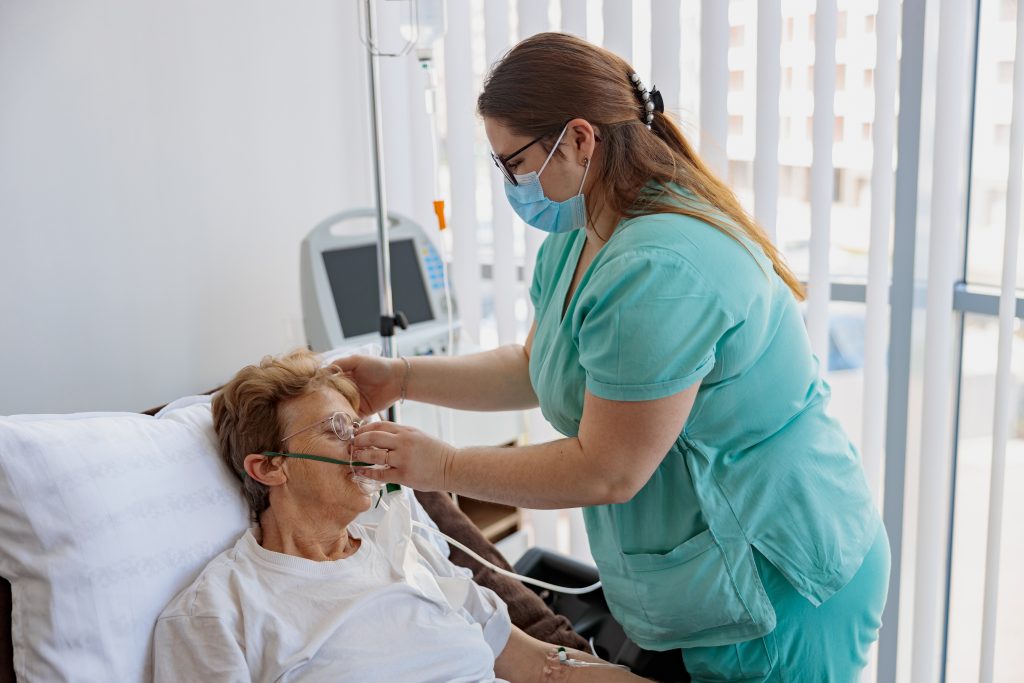
Clinical placements are the supervised, real-world training experiences where ABSN students work directly with patients in hospitals, clinics, and specialty care settings. In Utah, these rotations are coordinated by each school and are essential for building the clinical judgment and direct-care hours required to sit for the NCLEX-RN.
Researching Clinical Sites Online
Most ABSN programs publish a list of affiliated clinical sites on their websites, often under a "Clinical Partnerships" or "Facilities" section. When reviewing Utah schools that offer accelerated BSN tracks, look for any mention of major health systems in the region. Large networks such as Intermountain Healthcare, University of Utah Health, and MountainStar Healthcare are often among the state's largest nursing employers and may appear as rotation hosts. However, not every program will list every site publicly. Program-specific clinical placement pages can help you gauge whether rotations are clustered in urban areas like Salt Lake City or Ogden, or if they stretch into more rural parts of the state.
Contacting Program Coordinators Directly
The most reliable way to understand where you might complete clinicals is to reach out to an ABSN program's admissions or clinical placement coordinator. A phone call or email can clarify:
- Commuting expectations: Do rotations occur primarily in one metro area, or will you drive to multiple sites across several counties?
- Rural rotation options: Some programs may offer or require rotations in smaller communities, which can expose you to a wider range of patient populations and practice environments.
- Schedule flexibility: Ask whether clinical shifts are offered during days, evenings, or weekends and how far in advance schedules are released.
Coordinator conversations are especially valuable if you live near a regional healthcare hub or need to plan around family and work commitments during the program.
Understanding Utah's Healthcare Markets
Utah's nursing workforce is concentrated along the Wasatch Front, from Ogden through Salt Lake City to Provo. Hospitals in these areas tend to offer a high volume of acute-care placements. If you are considering an ABSN program that primarily places students in that corridor, you can expect clinical experiences in medical-surgical units, intensive care, obstetrics, pediatrics, and emergency departments. Meanwhile, southern Utah and more remote parts of the state may present opportunities for community health rotations, home health experiences, and rural hospital placements that differ substantially from large academic medical center settings. BLS job market data for Utah shows steady demand for RNs across these regions, which often signals robust clinical training pipelines.
Rural and Specialized Rotation Considerations
Utah's geography means that some students will travel for certain rotations. A rural clinical site might offer a lower patient-to-nurse ratio and broader scope of practice under preceptor supervision, but it may also require longer commutes or temporary housing. If you are interested in a specific specialty such as behavioral health, pediatrics, or labor and delivery, ask whether the program guarantees at least one rotation in that area or whether it depends on site availability. Programs affiliated with academic medical centers often provide access to specialized units, while smaller programs might partner with community hospitals and clinics.
Using Workforce Reports and Employment Data
For a broader view of clinical training infrastructure, you can review workforce publications from the Utah Department of Health or the Utah Nurses Association. These reports sometimes discuss clinical training capacity, facility partnerships, and geographic distribution of preceptor sites. They won't list individual ABSN placements by name, but they can give context about which parts of the state have expanding healthcare services and where additional training partners are being sought. Cross-referencing this with federal nursing employment data from the Bureau of Labor Statistics can also help you identify which health systems are actively hiring RNs, offering a clue about where clinical placements might be concentrated.