How to Choose the Right Nursing School in Nevada
Traditional, full-time cohort programs and flexible hybrid formats represent two distinct paths into Nevada nursing. Choosing between them means weighing your schedule, budget, and long-term goals against the realities of admission selectivity, clinical training quality, and program outcomes. A focused review of accreditation, clinical partnerships, flexibility, and performance data will point you toward the right fit.
Accreditation Matters for Your Future
Accreditation is the non-negotiable foundation. In Nevada, nursing programs are accredited by either the Commission on Collegiate Nursing Education (CCNE) or the Accreditation Commission for Education in Nursing (ACEN). Both meet state licensure requirements, but they carry different weight depending on your plans. CCNE accreditation is the standard for baccalaureate and graduate nursing programs and is often preferred by hospitals seeking Magnet designation. ACEN accredits all levels of nursing education, including associate degree programs. If you aspire to graduate study, a CCNE-accredited BSN can streamline admission to master's or doctoral programs. Always verify a program's status directly through the accrediting body, not just the school's website.
Clinical Placements Shape Your Experience
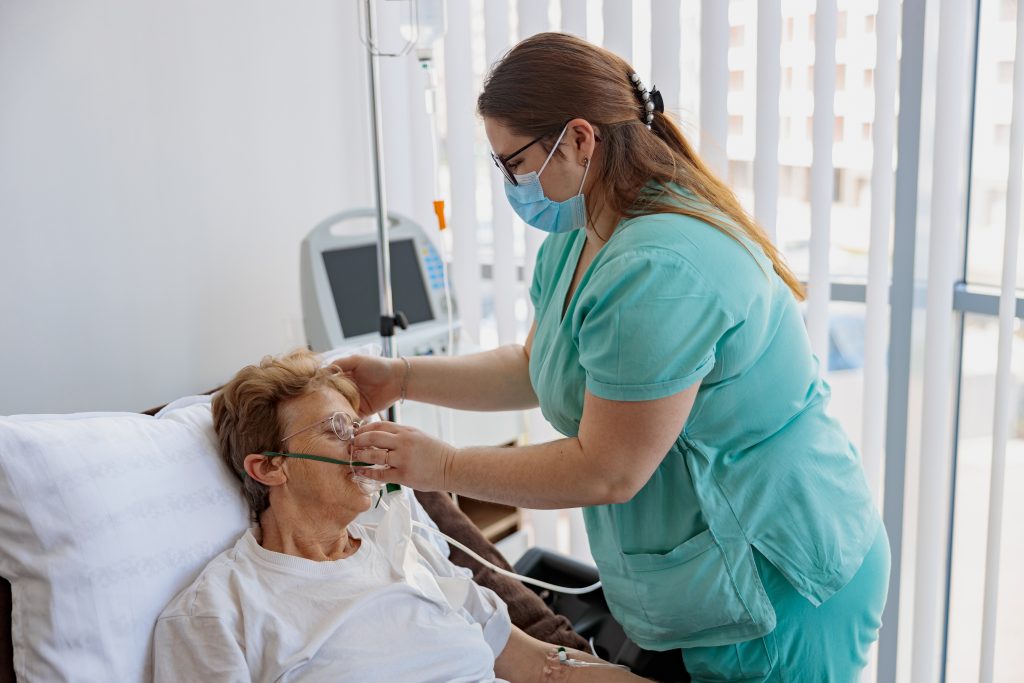
Where you train is where you learn. Clinical rotations embed you in real patient care environments, and a school's hospital partnerships determine the quality and variety of those experiences. In Nevada, major healthcare systems like Renown Health in Reno, Sunrise Hospital and University Medical Center (UMC) in Las Vegas, and St. Rose Dominican Hospitals anchor clinical education for many programs. Proximity to these sites reduces commute time and can lead to stronger preceptor relationships. Schools with established affiliations in multiple specialties (medical-surgical, pediatrics, critical care) give you a broader clinical foundation. When evaluating programs, ask which units accept students and how placements are assigned. A school that offers rotations in a Level I trauma center, for example, provides exposure that a smaller rural facility cannot match.
Flexibility for Working Students
Not everyone can pause their life for a daytime-only, 16-month intensive. If you need to work while earning your BSN, hybrid or evening/weekend options become critical. Among ranked programs, Chamberlain University's Las Vegas campus stands out for its hybrid format with evening and weekend scheduling designed for working adults. Roseman University of Health Sciences offers an accelerated BSN in a hybrid model, blending online coursework with on-campus labs and clinicals. Most public university programs (UNLV, UNR, Nevada State) deliver their core nursing courses in daytime, cohort-based sequences. If you require significant schedule flexibility, verify that the program's delivery mode is not merely a part-time option but truly accommodates nontraditional hours.
Admission Standards and Selectivity
Nursing programs in Nevada are competitive, but admissions criteria vary widely. Institutional acceptance rates offer a rough gauge: UNLV admits 96% of applicants overall, UNR 74%, and Nevada State 87%. These figures reflect university-wide selectivity, not nursing-specific competitiveness. Program-level GPA thresholds are more revealing. UNLV requires a minimum 3.0 GPA; UNR's accelerated BSN requires a 2.8 and a 65% ATI TEAS score; Nevada State sets an overall 2.5 but mandates a 3.25 in prerequisite courses. High overall acceptance does not equal an easy nursing admission. Research the typical admitted student profile, not just the minimums, and be realistic about your own academic record.
Compare the Key Numbers: Net Price, Graduation Rates, NCLEX Passes
- Net price: Never decide on sticker tuition alone. Net price (what you pay after aid) reveals the true cost. UNLV's net price averages $10,359, while Nevada State's is $14,068 and UNR's is $15,927. Even among public schools, differences of several thousand dollars per year add up.
- Graduation rate: A low graduation rate signals systemic challenges. UNR's 6-year graduation rate is near 61%, but UNLV's is about 50%, and Nevada State's dips to 34%. A program that graduates fewer than half its students may have academic support gaps or retention issues that affect your chances of finishing.
- NCLEX pass rate: This is the ultimate outcome measure. The Nevada Board of Nursing publishes annual pass rates for every program. A consistent first-time pass rate above 85% is a strong indicator that the curriculum aligns with licensing standards. Prioritize programs that publicly share multi-year trends, not just a single favorable year.
Weigh these three numbers together. A cheaper program with a weak NCLEX record or a high attrition rate may cost more in lost time and repeat exam fees. Conversely, a pricey program with excellent outcomes might justify the investment if it fast-tracks your career.