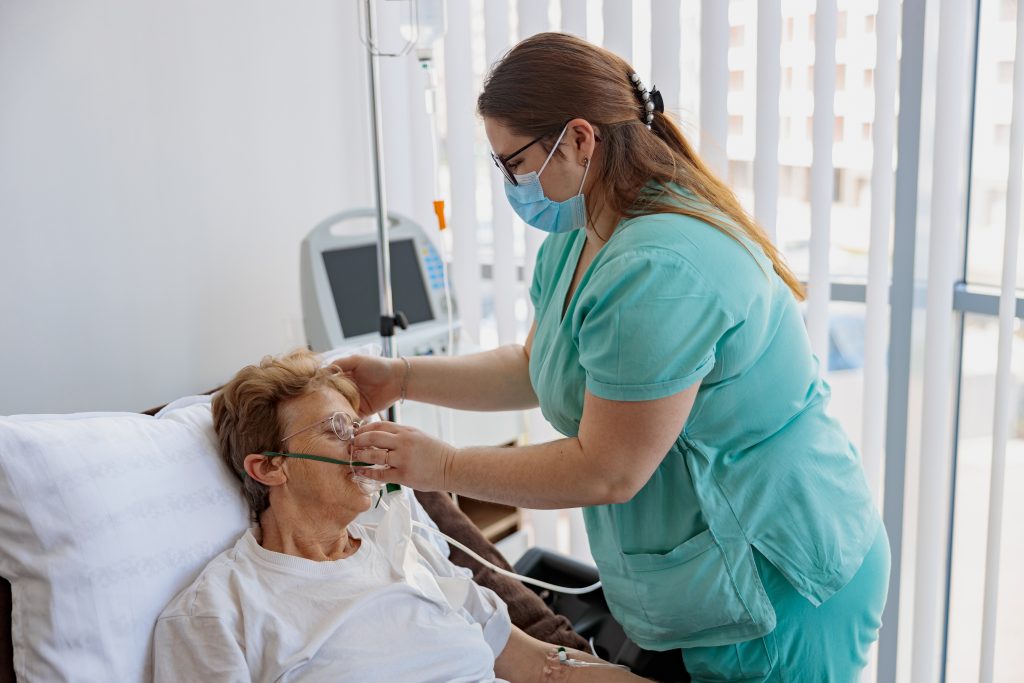
Top RN to BSN Programs in Colorado for 2026

Compare tuition, completion time, and online options across every Colorado RN-to-BSN pathway.

By Hannah Pierce, BSNReviewed by TopNursing.org TeamUpdated May 29, 202621 min read
Top RN to BSN Programs in Colorado (2026 Rankings)

Points of interest…

  • Colorado has 18 Magnet-designated hospitals that actively seek BSN-prepared nurses.
  • Most Colorado RN to BSN programs are fully online and can be completed in 12 to 18 months.
  • Registered nurses in Colorado earn a median annual salary of $89,610, with higher pay in Denver.

Colorado's 18 Magnet-designated hospitals and large health systems increasingly expect nurses to hold a BSN, making the degree a practical credential for a registered nurse career. While the state's RN license remains an associate-level pathway, many Denver, Colorado Springs, and regional employers now require or strongly prefer the four-year degree.

Most Colorado RN to BSN programs are fully online to fit around 12-hour shifts, and several public schools keep total tuition under $10,000 for in-state nurses. Completion timelines run 12 to 18 months for those transferring an associate degree, but clinical hour requirements and transfer credit policies can shorten or stretch that window. The real trade-off often lands on per-credit cost, clinical placement convenience, and whether a program's pacing aligns with a working nurse's unpredictable schedule.

2026 Best RN to BSN Programs in Colorado

Colorado offers a strong mix of public and private RN to BSN options, from ultra-low-cost community college pathways to university programs with deep clinical immersion. The following picks put a spotlight on affordability, flexibility, and support structures that matter most to working nurses.

Factors considered
  • Affordability and net price
  • Online program flexibility
  • Graduate earnings and debt
  • Institutional graduation rate
  • Student support features
Data sources
RankSchoolLocationNet priceBest for
#1
Morgan Community College
Fort Morgan, CO$5,000 – $10,000/yrCost-conscious RNs needing fully online flexibility

Morgan Community College delivers one of the state’s most affordable RN to BSN programs, with total tuition around $6,100. Fully online and built on 7-week courses, it lets working nurses progress quickly without set class times. The college is a federally designated Hispanic-Serving Institution, and open admission plus rolling starts lower barriers for rural and first-generation learners.

Nursing (RN to BSN) — Online
  • CCNE accredited with rigorous quality standards
  • $6,100 total program tuition, $200 per credit
  • Complete in 3 to 5 semesters with 7-week courses
  • Rolling admissions and 3 start dates per year
  • Low practicum hours designed for working nurses
  • Institutional scholarship available for all students
  • Employer tuition reimbursement supported

Trinidad State College blends affordability with a personal nursing coach model. The online RN to BSN program accepts associate-degree and diploma nurses alike, with the same tuition rate for in-state and out-of-state students. As an HSI, it serves a diverse student body and maintains a 54.5% institution-wide graduation rate.

Nursing (RN to BSN) — Online
  • CCNE accredited
  • 120 total credit hours with transfer up to 89.5 credits
  • Full-time and part-time options available
  • Starts in fall, spring, and summer
  • $0 application fee
  • Personal nursing coach assigned throughout the program
  • Practicum completed in your own community

Pikes Peak State College offers an RN to BSN that is 100% online except for occasional in-person clinical hours. Three start dates per year and 8-week terms give working nurses timely entry points. The college is an HSI with an open-access mission and one of the lowest net prices in the state at $6,007.

Nursing (RN to BSN) — Online
  • CCNE accredited
  • 3 start dates per year (January, May, August)
  • 100% online coursework with 8-week course terms
  • Some classes require in-person practicum placements
  • Optional success workshop for transitioning students
  • Dual enrollment option for current ADN students
  • Transferable within the Colorado Community College System

Colorado Mountain College’s RN to BSN program is currently paused and not accepting admissions. When active, it was a fully online, ACEN-accredited pathway with fieldwork projects aligned to your practice area. The college remains an HSI with a low 10:1 student-faculty ratio and a strong earnings profile for graduates.

Nursing (RN to BSN) — Online
  • ACEN accredited
  • 100% job placement rate reported
  • Online program built for working nurses
  • Fieldwork projects aligned with current practice
  • Emphasis on community health and leadership
  • One of the lowest tuition rates in Colorado
  • Ranked among top nursing schools in the state

Front Range Community College’s RN-to-BSN completion program is primarily online with a 68-hour practicum arranged close to home. The college brings over 50 years of nursing education experience and touts a 100% retention rate institution-wide. With a low 2.0 GPA minimum for nursing courses, it keeps the door wide open for working RNs.

Nursing (RN to BSN) — Online
  • 4-semester full-time completion pathway
  • Minimum 2.0 GPA in nursing courses required
  • 68 clinical hours arranged near your home
  • 50+ years of nursing education experience
  • Dedicated online advisors for distance learners
  • Top-ranked community college for online learning
  • Prepares for leadership roles and graduate study

Arapahoe Community College’s online RN-to-BSN completion program includes two practicum courses and a choice of restricted electives, such as informatics, emergency preparedness, gerontology, or behavioral health, that let you tailor the degree. The school reports a median 10-year earnings of $48,341 for graduates, the highest among Colorado community colleges on this list.

Nursing (RN to BSN) — Online
  • 120 total credit hours
  • Dual enrollment option for current ADN students
  • Online format with practicum experiences
  • Active RN license required for admission
  • Restricted electives in informatics, gerontology, and more
  • Background check and drug screen required
  • Out-of-state students need state authorization

Colorado State University Pueblo runs a fully online RN to BSN with weekly structured classes, making it a good bridge for nurses who appreciate a predictable rhythm. The program is ACEN accredited, and the university’s $10,051 net price is competitive among public four-year institutions. CSU Pueblo is designated an HSI.

Nursing (RN to BSN) — Online
  • ACEN accredited
  • Financial aid and scholarships available
  • Classes structured with weekly timeframes
  • Designed specifically for working registered nurses
  • Prepares for entry-level baccalaureate nursing practice
  • Online delivery with no set class times

University of Colorado Colorado Springs offers a self-paced online RN to BSN with 8-week courses and dual enrollment for students still finishing their ADN. It accepts students from 21 states and holds CCNE accreditation. The school’s 46.9% institution-wide graduation rate and $54,659 median 10-year earnings make it a solid mid-tier university choice.

Nursing (RN to BSN) — Online
  • CCNE accredited
  • 126 total credit hours
  • Self-paced online format with 8-week increments
  • Part-time option available
  • 2.5 GPA minimum and $50 application fee
  • Accepts students from 21 states
  • Dual enrollment option for ADN students

Colorado Mesa University’s CCNE-accredited RN-to-BSN program is entirely online and uses 8-week modules with five start dates per year. Applicants must contact the program coordinator before applying, and coursework incorporates tools like Typhon and Shadow Health. The university’s 79% retention rate signals a supportive campus culture.

Nursing (RN to BSN) — Online
  • CCNE accredited
  • 5 start dates per year for scheduling flexibility
  • Flexible online format with 8-week modules
  • Take one or two courses per session
  • Prior coursework credit considered for transfer
  • Background check and drug screening required
  • CPR certification and liability insurance required

University of Northern Colorado’s online RN-to-BSN is a cohort-based program with a clinical placement coordinator who helps arrange 180 practicum hours in your community. The $350-per-credit rate is the same for all students, with no additional fees. As an HSI, it serves a diverse population and reports a 51.2% institution-wide graduation rate.

Nursing (RN to BSN) — Online
  • CCNE accredited
  • $350 per credit, same for in-state and out-of-state
  • Complete in 7 to 20 months, 30 total credits
  • Cohort-based structure with fall starts
  • 2.5 GPA minimum and rolling admissions
  • 180 practicum hours with placement coordinator support
  • Dual enrollment option available for ADN students

Colorado Technical University-Colorado Springs is a private, for-profit institution offering an online RN to BSN. While the net price is higher at $16,745 and the graduation rate is only 18.8%, the school provides a straightforward admissions process and supports military benefits. Program-level earnings data are not published.

Nursing (RN to BSN) — Online
  • Online program with flexible delivery
  • Active RN license required for admission
  • Associate degree or diploma in nursing needed
  • International students must submit TOEFL scores
  • Financial aid available and military benefits supported
  • Focus on healthcare trends, patient education, and leadership

Denver College of Nursing’s RN to BSN is a private, accelerated online program that can be finished in as little as 15 months. Students receive 90 transfer credits for prior nursing education, and the total program cost is locked at $14,568.60. Median graduate earnings of $81,809 are the highest on this list, though net price and graduation rate data are not reported.

Nursing (RN to BSN) — Online
  • ACEN accredited
  • Complete in as few as 15 months
  • $14,568 total program tuition with locked rate
  • 90 transfer credits awarded for prior nursing education
  • Asynchronous online classes with 24/7 access
  • No entrance exam or prerequisite classes required
  • Quarter-based schedule with 2-week breaks

Colorado RN to BSN Tuition Comparison

Tuition varies widely among Colorado's RN to BSN programs, so comparing per-credit costs and total program expenses is a practical first step. The table below lists programs with publicly available 2025-2026 rates, but keep in mind that total costs can shift depending on transfer credits, fees, and part-time pacing.

SchoolPer-Credit CostTotal Program Cost
Morgan Community College$200$6,100
Colorado Christian University$331$9,930
University of Northern Colorado$350$10,500
University of Colorado Colorado Springs$367$11,000

Questions to Ask Yourself

Some Colorado RN to BSN programs offer accelerated 9-to-12-month tracks but at a higher per-credit rate. Weighing cost against time to degree affects both your budget and how soon you can access BSN-level roles or graduate study.

Many Colorado hospitals and health systems provide up to $5,250 per year in tax-free reimbursement. If yours does, a pricier program with better support or a shorter timeline may become the smarter investment.

Fully online programs demand self-discipline. Hybrid options with campus or clinical-site meetings offer more structure and face-to-face accountability, which can reduce dropout risk for working nurses balancing a busy schedule.

Online vs. Hybrid RN to BSN Programs in Colorado

Colorado RN to BSN programs overwhelmingly favor a fully online delivery model that eliminates the commute and fits around 12-hour shifts. However, a few schools include an optional on-campus component so you can meet faculty and peers in person without it becoming a requirement. The comparison below breaks down the key differences to help you choose the format that aligns with your schedule and learning style.

AspectFully Online (No Campus Visits)Hybrid (Optional On-Campus Components)
Example ProgramsUniversity of Colorado Colorado Springs (UCCS), Colorado Mesa University, Metropolitan State University of Denver, Aspen UniversityPikes Peak State College (optional success workshop)
Campus Visit RequirementNone required; all coursework and exams are completed onlineNo required campus visits; optional on-campus workshops are available
Clinical/Practicum CompletionLocal community practicum arranged near your home; no campus travel neededIn-person practicum at a local facility, plus an optional on-campus workshop
Best ForNurses seeking maximum schedule flexibility and zero commuteLearners who want the option of face-to-face networking or support events

How Long Does It Take to Complete an RN to BSN in Colorado?

What’s the fastest realistic timeline to go from RN to BSN while working as a nurse in Colorado? The answer depends on your pacing, transfer credits, and program structure, but most working nurses can earn their BSN in 12 to 24 months. Many Colorado programs are designed specifically for those balancing a job, offering fully online or hybrid formats with accelerated options.

Typical Time to Completion

Full-time RN to BSN students in Colorado usually finish in 12 to 18 months. Part-time paths, which are common for nurses working full shifts, often take two to three years. Most programs require roughly 30 credit hours of upper-division nursing coursework beyond the associate degree. For example, the University of Northern Colorado’s program calls for 30 credits1, Colorado Mesa University requires 31 credits2, and Aspen University’s RN to BSN is a 30-credit curriculum3. Because these credits build on a prior ADN, the total hours you need to complete a BSN are often fewer than a traditional four-year degree.

Fastest Advertised Program Lengths

Some Colorado schools advertise aggressive completion paces. Aspen University promotes a 12-month track3 for students who enroll full-time. Colorado Mesa University’s online RN to BSN can be finished in as little as 18 months2 with a full-time course load. These timelines assume continuous enrollment, including possible summer sessions, and that you do not need to pause for life events. Other programs, like UCCS’s online RN to BSN program or Regis, typically fall into similar 12-to-18 month windows, though specific advertised times vary.

How Credits and Transfers Impact Your Timeline

Your exact pace will hinge heavily on how many general education and prerequisite credits you already hold. If you graduated from a Colorado community college with an ADN, most of your credits should transfer seamlessly into a state university’s RN to BSN program under statewide articulation agreements. That means you may only need to complete the core nursing courses, usually 30 to 31 credits. However, if you need to meet any outstanding general education requirements (such as statistics, nutrition, or humanities), your timeline will extend. Always request a pre-admission credit evaluation to get a clear picture of what remains.

Pacing While Working: Online Flexibility

Nearly all RN to BSN programs in Colorado are delivered online, which lets you control your weekly study rhythm. Courses are often asynchronous, so you can watch lectures and complete assignments around your shifts. Many students opt for a part-time schedule taking one or two classes per term. At that rate, earning those 30 credits typically takes about two to three years. The key is to set a sustainable pace, rushing through may be tempting, but burnout is the enemy of completion. Talk to an advisor about course sequences and session start dates to plan a timeline that fits your life.

At a Glance: Colorado RN to BSN by the Numbers

A quick look at the Colorado RN to BSN landscape shows a strong lineup of accredited, affordable, and flexible online options.

Nine CCNE/ACEN-accredited RN to BSN programs in CO: 30-34 credits, $11,571 median net price, 12-24 months, 100% online, $45,867 median 10-year earnings.

Admission Requirements for Colorado RN to BSN Programs

While some RN-to-BSN programs award academic credit for years of bedside experience, others require a recent associate degree and a set number of clinical hours just to be eligible, with no course credit for that experience. Understanding these policy splits before you apply saves time and prevents surprise prerequisites.

General Admission Framework

Colorado nursing schools set their own admission thresholds, but most share a core structure: an active, unencumbered Colorado RN license, completion of an associate-level nursing program, and a minimum cumulative GPA , often 2.5 or higher. Individual programs then layer on prerequisites like microbiology, statistics, or English composition, usually with a minimum grade of C. Because requirements shift from year to year, always check the official ‘RN to BSN’ or ‘Admissions’ page of each school for the latest details.

One Colorado Example: Colorado Mountain College

Colorado Mountain College (CMC) illustrates how specific these policies can get. For 2026, CMC expects a 2.5 GPA, an active unencumbered RN license, and completion of key associate-degree nursing courses with at least a C. The program also enforces an age limit on prior coursework: your ADN must have been earned within the last three years. Additionally, CMC requires applicants to document 1,000 hours of RN work experience, but that experience does not translate into course credit. This means every incoming student starts on equal footing academically, regardless of how many years they have practiced.1

License Verification and Transfer Credits

Confirm your RN license status early through the Colorado State Board of Nursing , lapsed or restricted licenses can derail an application even if all other boxes are ticked. Transfer credits are another moving target. While many programs accept credits from regionally accredited ADN programs, the number of credits applied toward the BSN varies. Some schools cap transferable credits, and others evaluate coursework course-by-course. Direct questions about credit articulation to the program’s admissions office; they see nuances that generic policies miss.

Work Experience Substitution Policies

As CMC demonstrates, RN work experience rarely translates into credit automatically. A handful of programs do offer portfolio evaluations or competency-based credits for experienced nurses, but this is not universal. If you are counting on years at the bedside to shorten your path, email the admissions team and ask directly: “Does your RN-to-BSN track award credit for clinical work experience, and if so, what is the process for evaluation?” Document their reply; policies can change without much public notice.

Where to Get Reliable Guidance

For broad career outlook numbers, the Bureau of Labor Statistics offers national data on RN employment trends, but it will not answer questions about GPA floors or prerequisite equivalencies. For that, lean on school catalogs and program directors. The American Association of Colleges of Nursing (AACN) provides general pathway advice on RN-to-BSN education, and the Colorado Board of Nursing can clarify licensure requirements and approved programs. When in doubt, pick up the phone or send an email. Using 2026 data from a school’s published materials is far more accurate than relying on third-party summaries.

Clinical and Practicum Requirements by Program

Can I finish my RN-to-BSN clinical hours at the hospital where I already work?

Many Colorado RN-to-BSN programs structure their clinical and practicum components around the reality that most students are already licensed RNs with jobs. The typical answer is yes: you can often complete those hours at your current workplace or at a facility in your own community.

Workplace and Local Community Completion

Several programs allow students to complete clinical-hour projects at their place of employment. The University of Colorado Colorado Springs, for example, confirms that students can satisfy clinical requirements at a healthcare facility in their hometown.1 Colorado Technical University also allows candidates to carry out clinical-hour projects in their local communities.2 This on-the-job option removes the need to travel to a distant campus or find a separate placement site.

Before assuming your unit qualifies, check with the program coordinator. Facilities usually need to provide a suitable learning environment that lets you practice BSN-level competencies, such as community health assessment, leadership, or quality improvement. Your nurse manager or education department may need to sign an agreement, but the process is typically straightforward for staff nurses.

Hour Requirements Vary by Program

Total clinical or practicum hours differ from one institution to the next. Front Range Community College, for instance, outlines a 68-hour clinical requirement in its published program materials. Other Colorado programs may ask for 80 to 120 hours or more, often spread across one or two semesters. Because RN-to-BSN curricula emphasize theory, evidence-based practice, and leadership, the hands-on component is usually lighter than a traditional prelicensure BSN. Expect to document your hours, complete reflective assignments, and possibly work with a preceptor at your site.

If your employer does not serve a specific population the program requires, such as a public health agency, the school may help you arrange a short-term placement elsewhere. Many programs maintain partnerships with community clinics and health departments for exactly this purpose.

Are Clinical Placements Ever Waived?

Full waivers of clinical requirements are not common in Colorado RN-to-BSN programs. Because baccalaureate education builds on your ADN foundation, the practical component is designed to broaden your perspective beyond the bedside. Nonetheless, some schools may give credit for prior professional experience through a portfolio review or challenge exam. This is not the same as an outright waiver and typically requires you to demonstrate that you have already met specific learning objectives. Always ask the admissions or nursing department directly whether prior coursework or work history reduces your hour load.

Colorado is home to 18 Magnet-designated hospitals as of 2025, signaling a statewide emphasis on nursing excellence. Many of these employers actively seek BSN-prepared nurses, so completing your degree can open doors at some of Colorado's most respected healthcare organizations.

Salary Increase and Career Outlook for BSN Nurses in Colorado

Registered nurses in Colorado earn a median annual wage of $89,610, with the Denver metro area offering higher pay and Colorado Springs somewhat lower, according to the Bureau of Labor Statistics (May 2023). These numbers represent all RNs regardless of education, but earning a BSN can unlock higher-paying roles, as hospitals and healthcare systems increasingly prefer or require a bachelor's degree for clinical advancement, leadership, and specialty positions. The percentile breakdown below shows the wide earning range for RNs across the state.

MeasureAnnual Wage
10th Percentile$65,540
25th Percentile$74,140
Median$89,610
Mean (Average)$91,730
75th Percentile$104,080
90th Percentile$120,860

Frequently Asked Questions About RN to BSN Programs in Colorado

Here are answers to common questions about RN to BSN programs in Colorado, covering timelines, costs, online options, and career impact.

How long does it take to complete an RN to BSN in Colorado?
Most RN to BSN programs in Colorado can be completed in 12-24 months of full-time study, depending on transfer credits and course load. Many online programs offer accelerated options, allowing working nurses to finish in as little as one year, especially if they hold an associate degree from a regionally accredited program and meet prerequisites.
Which Colorado RN to BSN programs are fully online with no campus visits?
Several Colorado universities offer fully online RN to BSN programs, including Colorado State University Pueblo, University of Colorado Colorado Springs (UCCS), and Metropolitan State University of Denver. These programs typically require no on-campus visits, though some may have optional orientations. Clinical or practicum hours can often be completed at a local healthcare facility.
How much does an RN to BSN program cost in Colorado?
Tuition for RN to BSN programs in Colorado varies by institution. For 2026, public universities charge roughly $300-$500 per credit hour for in-state students. Total program costs range from about $8,000 to $15,000, depending on credits required. Some schools offer flat-rate tuition or partnerships with community colleges that reduce overall expense.
What is the salary difference between ADN and BSN nurses in Colorado?
According to recent workforce data, BSN-prepared nurses in Colorado earn a median annual salary approximately 10-15% higher than ADN nurses. In 2026, the median for ADN RNs is around $75,000, while BSN RNs earn about $85,000, though this varies by location, experience, and employer. A BSN can also open doors to leadership and specialty roles.
Do Colorado employers prefer nurses with a BSN over an ADN?
Yes, many Colorado hospitals and healthcare systems now prefer or require a BSN for new hires, aligning with the national push for a more highly educated nursing workforce. Magnet-recognized facilities and larger health networks often mandate that nurses obtain a BSN within a few years of hire. This trend makes RN to BSN programs a strategic career move.
Can I use my current workplace for clinical/practicum hours?
In most Colorado RN to BSN programs, you can complete required practicum or clinical hours at your current place of employment, provided the site meets program standards and a qualified preceptor is available. Programs often allow a community health or leadership project that ties into your existing role, minimizing disruption to your work schedule.
Are there dual-enrollment ADN-to-BSN pathways in Colorado (e.g., Pikes Peak–UCCS, FRCC)?
Yes, Colorado offers several dual-enrollment or articulation agreements. For example, Pikes Peak State College partners with UCCS for a seamless ADN-to-BSN transition, and Front Range Community College has similar pathways with four-year institutions. These agreements allow students to begin BSN coursework while completing their ADN, potentially reducing total time and cost.

Recent Articles