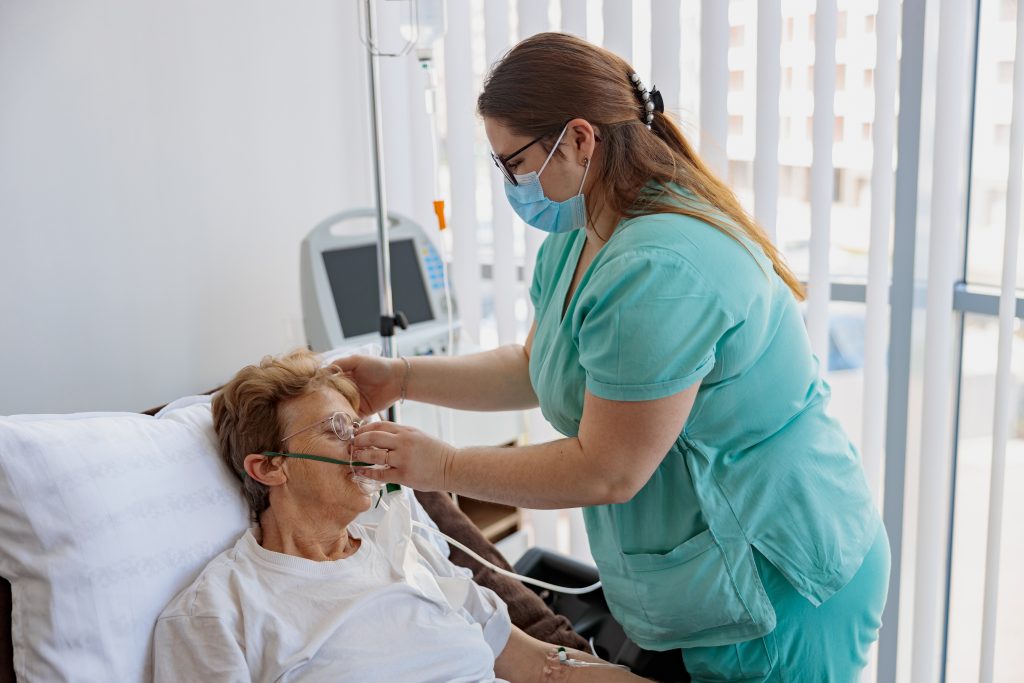
The BSN-to-NP timeline in Mississippi spans six to eight years, from degree to collaborative practice licensure.
Mississippi employs 4,170 nurse practitioners, yet demand is still rising, especially in rural counties where primary care shortages are most severe. The state’s four ranked FNP programs, delivering 13 program listings across MSN and DNP pathways, offer a concentrated set of options for nurses ready to step into advanced practice roles. With all four schools priced under $10,000 in annual tuition for in-state students, cost is less of a barrier here than in many other states. Mississippi’s collaborative practice requirement, however, means new graduates must secure a supervising physician, making clinical placement networks a critical factor in program selection.
2026 Best Nurse Practitioner Programs in Mississippi
Mississippi’s best NP programs combine affordability, flexible delivery, and strong clinical grounding to prepare nurses for advanced practice across the state’s diverse communities. The following schools stand out for their MSN, DNP, and certificate offerings, with an emphasis on serving rural and medically underserved areas.
Factors considered
Net price and in-state tuition
Program delivery and clinical placement
Institutional graduation rates
State advanced practice authorizations
HBCU and rural workforce relevance
Data sources
Internal program database
NCES-IPEDS federal institutional data — nces.ed.gov
Mississippi University for Women is a public institution in Columbus that offers both an MSN in Family Nurse Practitioner and a post-graduate APRN certificate. The university is one of a limited number of Mississippi schools authorized to provide graduate-level advanced practice nursing education. Its programs emphasize primary care and evidence-based practice, with a strong focus on serving rural and underserved communities across the state.
23-30 credit hours with 660 clinical practice hours
Campus-based with clinicals arranged locally
Uses MSN FNP curriculum courses
Requires master’s in nursing
No more than 6 transfer credits
Prepares for primary care and national certification
#2
Alcorn State University
Alcorn State, MS
$10,000/yr
Flexible hybrid FNP for working RNs
Alcorn State University, a public historically Black university, offers a flexible post-master’s Family Nurse Practitioner certificate on its Natchez campus. The program is delivered in a hybrid format with online coursework and on-campus requirements, making it accessible for working RNs across southwest Mississippi. Recognized in 2025 as a top online NP provider in the state, Alcorn emphasizes leadership and ethical healthcare delivery for rural and underserved communities.
Delta State University in Cleveland, Mississippi, offers a suite of FNP pathways including MSN, post-master’s certificate, and DNP. The hybrid format combines online instruction with occasional campus visits, while clinical placements can be arranged in students’ home communities, supporting a grow-your-own workforce model. Delta State is a key player in addressing rural health disparities and participates in state-level consortia to expand advanced practice nursing across Mississippi.
CCNE-accredited DNP with BSN and post-master’s entry
31-65 credits, complete in 1.5-3 years
Online coursework with 1-3 campus visits per semester
No out-of-state tuition surcharge
Clinical hours completed in Mississippi or Arkansas
Prepares for AANP or ANCC certification
Fall start, full-time and part-time options
#4
University of Southern Mississippi
Hattiesburg, MS
$10,000/yr
The University of Southern Mississippi in Hattiesburg provides multiple FNP and PMHNP pathways, including a BSN-to-DNP and post-graduate certificates. Its hybrid programs minimize on-campus obligations with online didactics and just one campus visit per semester, while clinicals are completed locally. Southern Miss prioritizes current Mississippi RNs for its FNP tracks and is widely recognized as an affordable, workforce-focused NP provider in the state.
FNP Program Cost Comparison: Tuition, Debt, and ROI
Understanding the financial commitment of a nurse practitioner program is essential for planning ahead. The table below outlines tuition, net price after aid, graduate debt, and median 10-year earnings for Mississippi's leading FNP programs, along with a simple ROI ratio that compares earnings to debt.
School
Annual Tuition (In-State)
Annual Tuition (Out-of-State)
Net Price (After Aid)
Median Graduate Debt
Median Earnings (10 Years)
ROI Ratio
Mississippi University for Women
$8,492
$8,492
$12,411
$15,000
$46,128
3.1
Alcorn State University
$9,520
$9,520
$13,265
$27,000
$36,421
1.3
Delta State University
$8,605
$8,605
$13,540
$20,390
$41,991
2.1
University of Southern Mississippi
$9,998
$11,998
$21,708
$22,500
$44,140
2.0
What Mississippi FNP Graduates Actually Earn
Program-level earnings data isn't yet available for these Mississippi FNP programs, so the chart below shows institution-wide median earnings ten years after entry, as reported by the College Scorecard. This offers a broad view of earnings potential, though actual NP salaries typically exceed the institutional average.
Online Vs. Hybrid FNP Programs in Mississippi
Mississippi’s FNP programs deliver coursework through on-campus, hybrid, and online formats, each with distinct clinical placement and campus visit requirements. Comparing these delivery models side by side helps nurses select a program that aligns with their work schedules and learning preferences.
Feature
MUW
Alcorn State
Delta State
USM
UMMC
Delivery Format
On-campus
Hybrid
Hybrid
Hybrid
Hybrid
On-Campus Requirements
All classes held on campus
Some campus sessions required
Strategically scheduled weekend seminars
One campus visit per semester
Campus intensives required
Clinical Placement
Information not available
Information not available
Arranged near the student's home community
Completed in local communities
Clinical sites in Mississippi
Program Options
MSN (12 months, 39 credits)
Post-Master's Certificate (20 to 30 credits)
MSN (2 years full-time, part-time available)
Graduate Certificate (26 credits, 4 semesters)
MSN
Notable Detail
Established in 1974, designed for RNs with a BSN
3.0 GPA admission, GRE requirement waived
CCNE-accredited, non-traditional class schedule
Fall-only start, aligns with national APRN competencies
Prepares RNs for APRN certification exams
Admission Requirements by Program
What do Mississippi nurse practitioner programs actually require for admission? Across the state, family nurse practitioner (FNP) programs share a nearly identical set of baseline criteria, which means that once you understand one school's expectations, you understand the landscape for all of them. The five Mississippi universities offering FNP tracks , University of Mississippi Medical Center, Mississippi University for Women, Delta State University, Alcorn State University, and William Carey University , have converged on the same prerequisites, reflecting both accreditation standards and a shared belief that applicants should bring a solid clinical foundation before entering advanced practice training.1
Core Admission Requirements for Mississippi Nurse Practitioner Programs
Every program on this list requires the following four elements, no exceptions:
BSN from an Accredited Program: You must hold a Bachelor of Science in Nursing from a program that is institutionally accredited and recognized by a national nursing accreditor. An associate degree in nursing (ADN) alone will not meet this precondition; a completed BSN is mandatory at the time of application.
Current Unencumbered RN License: A valid, unrestricted registered nurse license is required. Because all of these schools are in Mississippi, in-state licensure is the typical route, but most programs accept an unencumbered multistate license under the Nurse Licensure Compact. Applicants with a restricted or probationary license are not eligible.
Minimum GPA of 3.0: A cumulative undergraduate grade point average of 3.0 on a 4.0 scale is the floor across all five schools. Competitive cohorts often push the average well above this threshold, so a GPA that merely meets the minimum may not be sufficient for admission in a given cycle.
One Year of Clinical Nursing Experience: Every program specifies at least one full year of professional RN experience, typically in an acute care or medically focused setting. This requirement ensures that students have developed clinical judgment and foundational skills before beginning the diagnostic and prescriptive responsibilities of an FNP.
Where These Requirements Apply
The following Mississippi institutions all maintain the identical core admission criteria listed above:
University of Mississippi Medical Center
Mississippi University for Women
Delta State University
Alcorn State University
William Carey University
Additional steps , such as personal statements, professional references, background checks, or on-campus interviews , vary by program and may not be reflected in published minimums. Each school sets its own application window, so deadlines and cohort start dates differ significantly. Checking the specific nursing program website for the school you are targeting is the only way to confirm the latest deadline, supplemental documents, and any updates to prerequisite coursework.
Curriculum, Clinical Hours, and Program Length
A nurse practitioner program's curriculum combines graduate-level coursework with hands-on patient care hours, building clinical judgment and diagnostic skills needed for advanced practice in primary care. In Mississippi, both MSN-FNP and DNP-FNP tracks follow a structured progression from foundational sciences to population-specific management, preparing you for board certification and state licensure.
What You'll Study: Credit Hours and Core Courses
Most MSN-FNP programs in Mississippi require 45 to 50 credit hours, while BSN-to-DNP FNP tracks typically add 30 to 35 credits for a total of 75 to 85. Core courses cover advanced pathophysiology, pharmacology, and health assessment, along with sequences in primary care for adults, children, and women. Each school publishes a detailed plan of study. You can find semester-by-semester breakdowns on program websites, often as a downloadable PDF. For example, UMMC's curriculum page lists courses grouped by academic term, and MUW's MSN-FNP program weaves in specialty content on rural health disparities.
Clinical Hour Requirements
The Mississippi Board of Nursing does not specify a rigid clinical hour floor, but national accreditors like CCNE expect at least 500 direct patient-care hours for FNP programs. Mississippi schools routinely exceed this benchmark. MSN-FNP students commonly complete 600 to 700 clinical hours, distributed across family medicine, pediatrics, and internal medicine settings. DNP tracks incorporate a scholarly project and require 1,000 or more practice hours. Always review the program's student handbook for the exact breakdown, as some schools allocate extra hours for procedures and telemedicine training.
Full-Time vs. Part-Time Completion
Full-time MSN-FNP students generally finish in two years, including summer semesters. Part-time progression stretches to three or four years, making it feasible if you're working as an RN. BSN-to-DNP FNP programs run about three to four years full-time. Schools like William Carey offer accelerated options for nurses who already hold a non-nursing master's degree. Contact admissions directly for current timelines, because cohort start dates and course sequencing can vary year to year.
Clinical Placement Support
Placement policies differ across schools. UMMC coordinates rotations through its academic health system and network of affiliated clinics, while other programs may expect students to secure their own preceptors. Before enrolling, ask whether the school provides a dedicated placement coordinator, a searchable preceptor database, or formal agreements with rural health centers. This can be especially important if you live in a region with limited clinical sites.
Rural Health Rotations
Mississippi's NP programs often embed rural primary care experiences into the curriculum. UMMC's Center for Rural Health partners with multiple community clinics, and Delta State incorporates telemedicine modules that reflect the state's health professional shortage areas. These rotations align with the Bureau of Labor Statistics outlook, which projects continued demand for NPs in underserved communities across the country.
How to Become a Nurse Practitioner in Mississippi
The path to becoming a nurse practitioner in Mississippi is clearly defined by the state's Board of Nursing. Expect a total commitment of six to eight years from your BSN start date, with a required collaborative practice agreement at the end.
Mississippi NP Scope of Practice and Licensing Requirements
Mississippi remains one of the states where nurse practitioners must maintain a formal collaborative relationship with a physician to practice and prescribe, though recent legislative pushes signal growing momentum for change.
Collaborative Practice Requirements
Under Mississippi regulations, nurse practitioners operate under a reduced practice model. This means APRNs cannot practice independently; they must enter into a written collaborative agreement with a licensed physician or dentist. The agreement outlines protocols for patient care, scope of practice, and quality assurance measures. Key components include:
Chart review: The collaborating provider must review at least 10% of the NP’s patient charts each month.
No automatic transition: Even after years of experience, an NP cannot transition to independent practice without legislative action.
Flexibility in location: The agreement does not mandate on-site supervision or a specific geographic proximity, but the collaborating provider must be reasonably available for consultation.
Mississippi law requires that all medical acts performed by an NP fall under the terms of this agreement. Failure to maintain an active collaborative arrangement can result in suspension of practice privileges.
Prescriptive Authority and Controlled Substances
APRNs in Mississippi may prescribe medications, but prescriptive authority is tied directly to the collaborative agreement. NPs can prescribe Schedule II through V controlled substances, but only under protocols established with the collaborating physician or dentist. The collaborative agreement must explicitly grant prescriptive authority and define the parameters for controlled substance prescribing. There is no independent prescriptive authority, even for non-controlled drugs. This restriction places Mississippi among the more tightly regulated states for APRN prescribing.
Legislative Efforts Toward Full Practice Authority
Recent legislative sessions have seen two significant bills aimed at easing restrictions:
HB 849 (2025): This bill proposed granting full practice authority to NPs after completing 8,000 hours of clinical practice. It passed the House but failed in the Senate, stalling progress.
HB 40 (2026): Introduced in the 2026 regular session, this bill lowers the experience threshold to 3,600 hours. If enacted, it would take effect July 1, 2026, and exempt certified nurse practitioners (CNPs), certified nurse-midwives (CNMs), and clinical nurse specialists (CNSs) from the collaborative agreement requirement. CRNAs are excluded. As of May 2026, the bill remains under consideration.
These bills reflect a growing push to modernize Mississippi’s scope of practice laws, citing workforce shortages and rural access to care, but opposition from physician groups has kept reform efforts contentious.
Regional Comparison: How Mississippi Stacks Up
Neighboring states present a patchwork that underscores Mississippi’s mid-tier restrictiveness:
Alabama and Louisiana: Both operate under reduced practice, requiring collaborative agreements similar to Mississippi’s.
Arkansas: Also reduced practice, though some provisions for expanded authority after experience exist.
Tennessee: Notably more restrictive, Tennessee classifies NP practice as restricted, with on-site physician supervision requirements in many settings.
For FNPs considering where to work, Mississippi’s environment is typical for the Deep South but lags behind states that have adopted full practice authority. The pending HB 40 could significantly narrow this gap if passed.
FNP Certification Pass Rates and Mississippi-Specific Scholarships
Passing the national FNP certification exam is the final, non-negotiable step that transforms a graduate into a practicing nurse practitioner, and the latest numbers offer a clear benchmark for Mississippi students.
National Certification Pass Rates
The American Association of Nurse Practitioners (AANP) and the American Nurses Credentialing Center (ANCC) each administer widely accepted FNP exams. In 2025, the first-time pass rate for the AANP exam was 81 percent nationwide, while the ANCC exam saw an 82 percent first-time pass rate.1 Individual nursing programs in Mississippi do not publish school-specific pass rates2, so these national averages serve as the best available indicator. Most Mississippi graduates who sit for these exams pass on the first attempt, aligning closely with the national trends. Preparing thoroughly through your program’s curriculum and clinical rotations is the strongest predictor of success.
Mississippi-Specific Scholarships and Loan Repayment
NHSC Loan Repayment Program: The National Health Service Corps offers up to $50,000 in loan repayment for nurse practitioners who commit to two years of full-time practice at an approved site in a Health Professional Shortage Area (HPSA). Much of rural Mississippi qualifies, making this a powerful incentive for graduates who want to serve where they are needed most.
NURSE Corps Scholarship Program: This federal program covers tuition, fees, and a monthly stipend for NP students who agree to work in a critical shortage facility. Mississippi residents attending eligible in-state programs can apply directly through the Health Resources and Services Administration (HRSA).
Mississippi Office of Nursing Workforce Grants: The state periodically offers grants and scholarships through its workforce office, often targeting students who plan to practice in primary care or underserved communities. Check the Mississippi Board of Nursing website for current cycles.
Employer-Sponsored Tuition Programs: Many hospitals and health systems across Mississippi, such as those in Jackson and Gulf Coast networks, provide tuition reimbursement or sponsorship for working RNs pursuing their NP degree. These programs typically require a service commitment after graduation.
Military and VA Benefits: Mississippi has a strong military presence, and active-duty service members, veterans, and their families may access GI Bill benefits, tuition assistance, and VA scholarships that cover NP education. Contact your base education office for eligibility details.
NP Salary and Job Outlook in Mississippi
Nurse practitioners in Mississippi earn a median annual wage of $119,290, substantially outpacing registered nurses at $74,470. With 4,170 NP positions across the state, employment opportunities remain robust. This table compares salary and employment figures for Mississippi NPs and related nursing roles.
Occupation
Total Employment (Mississippi)
Median Annual Wage
25th Percentile Wage
75th Percentile Wage
Nurse Practitioners
4,170
$119,290
$104,660
$133,510
Registered Nurses
29,400
$74,470
$64,050
$83,520
Nursing Instructors and Teachers, Postsecondary
1,000
$73,160
$63,110
$84,800
Medical and Health Services Managers
4,560
$89,960
$72,100
$113,520
Frequently Asked Questions About Mississippi NP Programs
Choosing the right nurse practitioner program in Mississippi means weighing costs, formats, and career goals. These answers address common questions about admissions, scope of practice, and what to expect after graduation.
Full-time BSN-to-MSN FNP tracks typically take 2–3 years, while BSN-to-DNP programs require 3–4 years. Part-time and post-master’s certificate paths extend timelines. Clinical practicum hours range from 500 to over 1,000, depending on specialty and degree level.
No. Mississippi is a restricted-practice state. NPs must have a collaborative practice agreement with a supervising physician to diagnose, treat, and prescribe. The physician is required to be available for consultation and must review a percentage of patient charts periodically.
Public in-state programs offer the lowest tuition. MSN-FNP programs at institutions like the University of Mississippi Medical Center and Mississippi University for Women charge roughly $500–$650 per credit hour. Always review total costs, including fees and clinical placement expenses, when comparing programs.
Most Mississippi-based FNP programs use a hybrid model: didactic coursework is online, but on-campus intensives or skills labs are required at least once per semester. Fully online, asynchronous programs with no in-person components are more common through out-of-state schools that accept Mississippi residents.
U.S. Bureau of Labor Statistics data (2023) show a median annual wage of $115,800 for NPs in Mississippi, below the national median of $126,260. Salaries are higher in metro areas like Jackson and along the Gulf Coast and increase with experience and specialty certification.
You must hold an active RN license (Mississippi or compact), earn a graduate NP degree (MSN or DNP) from an accredited program, pass a national certification exam in your specialty, and apply to the Mississippi Board of Nursing for advanced practice licensure with a signed collaborative practice agreement.
Yes. After obtaining federal DEA registration and a Mississippi controlled substance prescriptive authority registration, NPs may prescribe Schedules II–V within their collaborative agreement. Independent prescribing of Schedule II opioids requires direct physician consultation and is subject to additional state restrictions.