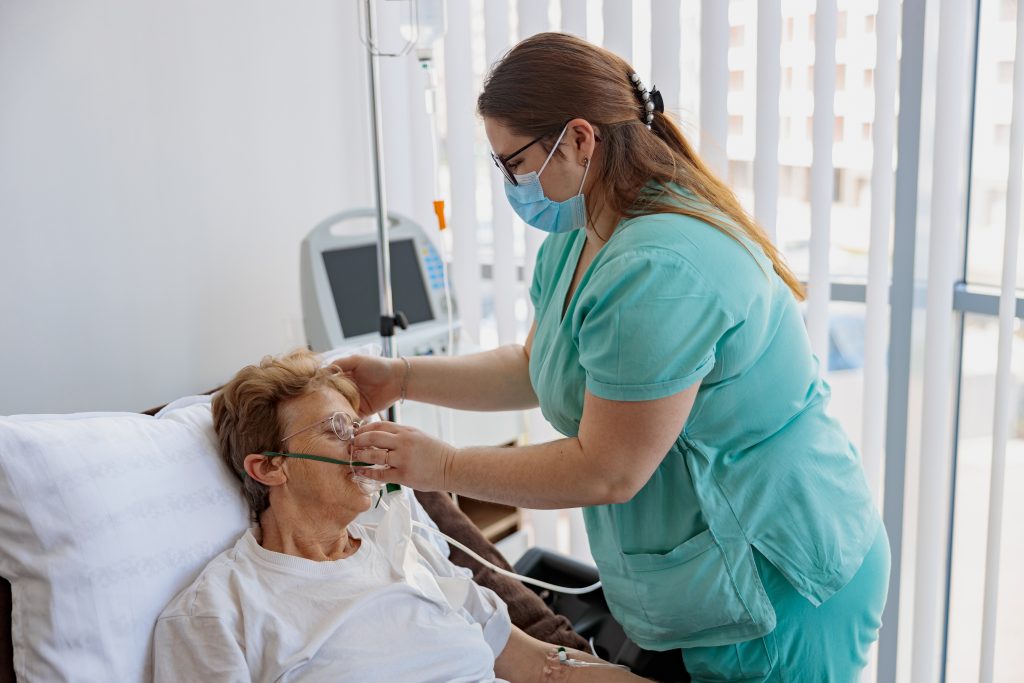
How to Become an ENT (Otorhinolaryngology) Nurse

Your complete guide to ENT nurse duties, certifications, salary by state, and career outlook

By Maria Delgado, RNReviewed by TopNursing.org TeamUpdated May 29, 202622 min read
ENT Nurse: Job Description, Salary & How to Become One

At a Glance

  • ENT nurses care for patients in clinics, operating rooms, and hospitals, with duties varying significantly by setting.
  • The path to becoming an ENT nurse spans 5-7 years from nursing school to certification eligibility.
  • Earning the CORLN certification is optional but demonstrates advanced knowledge in otorhinolaryngology nursing.
  • The Bureau of Labor Statistics projects 189,100 annual RN openings from 2024 to 2034, with 5% growth.

As surgical volume in outpatient settings grows, ENT nursing is quietly absorbing more complex cases than ever before. The otorhinolaryngology nurse, commonly called an ENT nurse, cares for patients with conditions of the ears, nose, throat, and related structures of the head and neck. Unlike a general medical-surgical nurse, an ENT nurse navigates a narrow band of anatomy but a wide mix of clinical scenarios: from allergy testing and hearing screenings to assisting with delicate microsurgeries on the larynx or tympanic membrane. The path into this specialty involves targeted coursework, clinical experience, and often the CORLN credential, with earnings that track regional RN salary patterns. As the CORLN certification gains traction among employers, the specialty is moving from informal on-the-job training toward formalized competency standards.

ENT Nurse Duties and Responsibilities by Setting

ENT nurses perform highly specialized work that shifts dramatically from clinic to operating room to hospital bedside. Understanding the daily responsibilities in each environment clarifies how this role differs from general nursing.

Outpatient Clinic: High-Volume, Hands-On Care

In an ENT clinic, nurses manage a rapid succession of patients with conditions like ear infections, allergies, sinus complaints, and hearing loss. A typical day might start with rooming patients, taking vital signs, and updating the electronic health record. They assist with in-office procedures such as nasal endoscopy, ear tube placement, and pre-operative teaching for upcoming tonsillectomies, rhinoplasties, or thyroidectomies. Phone triage is a significant responsibility. Clinic nurses field calls about post-procedure symptoms, medication questions, and new concerns, often determining whether a patient needs an urgent visit. Patient education covers everything from proper inhaler technique for allergy management to what to expect after a septoplasty.

Operating Room and Ambulatory Surgery: Precision and Perioperative Expertise

When ENT nurses work in the OR or a surgery center, the pace slows but the intensity rises. They are responsible for pre-operative checklists, verifying consent and allergies, and preparing specialized instruments for procedures like endoscopic sinus surgery, cochlear implant placement, or tonsillectomy. During surgery, the circulating nurse ensures sterile technique and provides instruments, while monitoring the patient's airway status. This is a critical focus because many ENT procedures share the same anatomical space as the airway. Post-operatively, these nurses manage pain, watch for bleeding or airway compromise, and educate patients and families on at-home care for surgical sites. Each case is scheduled, but turnover can be brisk, requiring meticulous attention to safety.

Inpatient Hospital: Complex Recovery and Airway Vigilance

On the hospital floor, ENT nurses care for patients recovering from major head-and-neck surgeries or managing acute complications. Their caseload is smaller but the acuity is higher. A morning assessment might include checking surgical wounds, monitoring for signs of infection, and evaluating swallowing function, a task that often requires coordination with speech-language pathologists. Tracheostomy care is a staple skill: nurses suction, clean, and teach patients and families how to manage a trach at home. They also administer medications, oversee pain control, and watch closely for bleeding or respiratory distress, as airway compromise can develop quickly. Many inpatients are oncology patients undergoing treatment for head and neck cancers, requiring the nurse to provide emotional support and coordinate with multiple specialists.

A Specialty Defined by Its Tools and Teamwork

What sets ENT nursing apart from general nursing is the reliance on specialized equipment, including otoscopes, endoscopes, microscopes, and audiology booths, and the deep collaboration with audiologists, speech pathologists, and surgeons. Nurses must become proficient in airway-focused assessments that go beyond routine breathing checks, recognizing subtle changes in voice, swallowing, or hearing that signal a problem. Many ENT nurses, especially in smaller practices or community hospitals, float between settings, covering the clinic one day and the OR the next. This variety demands adaptability but also builds a uniquely versatile clinical skill set.

How to Become an ENT Nurse: Step-by-Step

The path to becoming an ENT nurse typically spans 5-7 years from the start of nursing school to eligibility for specialty certification. While an Associate Degree in Nursing (ADN) can get you started, a Bachelor of Science in Nursing (BSN) is becoming the preferred credential for otorhinolaryngology positions.

A 5-step pathway from nursing school to CORLN-certified ENT nurse, typically taking 5-7 years

Education and Experience Requirements for ENT Nurses

The educational and experience requirements for ENT nursing follow a clear progression: earn an RN license, gain hands-on clinical skills, and then move into the specialty. Here is what each step involves and how long it takes.

Educational Pathways: ADN vs. BSN

  • Associate Degree in Nursing (ADN): This two-year program covers foundational nursing skills and qualifies you to sit for the NCLEX-RN. It is the fastest route to licensure but may limit advancement in specialty settings, where employers increasingly prefer a bachelor’s degree.
  • Bachelor of Science in Nursing (BSN): This four-year degree includes deeper coursework in leadership, research, and community health, plus more clinical hours. For ENT nursing, a BSN is often the stronger choice because it opens doors to specialty training, charge nurse roles, and graduate education.

Licensure: The NCLEX-RN and State Requirements

After completing an accredited program, every candidate must pass the NCLEX-RN exam. This national test evaluates clinical judgment and readiness to practice safely. Licensure is granted by individual state boards of nursing, so you apply in the state where you plan to work. This step is separate from specialty certification: you cannot work as an RN without an active license, but you can practice in ENT without a certification. Some states belong to the Nurse Licensure Compact, allowing one multistate license, which simplifies moving across state lines later.

Gaining Clinical Experience for ENT Roles

Most ENT nursing positions are not entry-level. They typically require at least one to two years of bedside experience in a related area before you can transition. Valuable backgrounds include: - Medical-surgical nursing: Builds a broad foundation in patient assessment, post-operative care, and device management. - Post-anesthesia care unit (PACU): Teaches airway management and same-day surgical recovery, directly relevant to many ENT procedures. - General surgical nursing: Provides familiarity with sterile technique and pre-operative workflows common in head and neck surgeries. Some hospitals offer internal training or residency programs for new graduates interested in perioperative nursing, which can shorten the timeline, but direct hire into an ENT specialty without experience remains rare.

How Long Does It Take?

If you follow the fastest route, earning an ADN (two years), passing the NCLEX, and gaining one year of med-surg experience, you could be working in an ENT setting in about three years. A more common path, however, is to complete a BSN (four years), build two years of surgical or PACU experience, and then pursue the CORLN certification, which requires additional hours. That trajectory lands closer to six years. Factors like part-time study, application wait times, or a competitive job market can extend the timeline. Keep in mind that CORLN certification adds a separate layer of professional development once you are already employed in the specialty.

CORLN Certification: Eligibility, Exam, and Renewal

For nurses specializing in ear, nose, and throat care, certification is optional: the Certified Otorhinolaryngology Nurse (CORLN) credential is not a state requirement, but it signals a depth of knowledge that can accelerate career growth and differentiate you in a competitive job market. Weighing the upfront cost and study commitment against long-term professional payoff is a personal decision, and the details below will help you make an informed one.

What Is CORLN Certification?

The CORLN credential is awarded by the National Certifying Board for Otorhinolaryngology and Head-Neck Nurses (NCBOHN), an independent body that administers the exam on behalf of the Society of Otorhinolaryngology and Head-Neck Nurses (SOHN). It validates advanced clinical competence in caring for patients with conditions of the ears, nose, throat, and related structures. Holding the CORLN designation tells employers and colleagues that you have met a national standard, even though the certification is entirely voluntary.

Eligibility Requirements

To sit for the CORLN exam you need an active, unrestricted RN license in the United States or Canada. While the certifying board does not mandate a specific number of practice hours, it strongly recommends that applicants have at least three years of experience in otorhinolaryngology nursing. This experience should encompass direct patient care, patient education, and clinical decision-making in ENT settings. There are no prerequisite continuing education hours to apply, but the content assumes a seasoned nurse’s clinical judgment. SOHN membership is not required, though members receive a reduced exam fee.

Exam Format and Content Domains

The exam consists of 250 multiple-choice questions, administered in a single 3.5-hour session. The questions are distributed across four content domains: conditions (25% of the exam), assessment (25%), interventions (40%), and professional issues (10%). Conditions cover common ENT pathologies, from sinusitis to head and neck cancers; assessment includes diagnostic tests and physical examinations; interventions range from medication management to surgical assistance; and professional issues address ethics, research, and patient education.

Testing occurs during two windows each year, typically in spring and fall. For 2026, the spring application deadline is April 8, with the testing window running May 9 through May 23. Scores are released within four weeks of the window closing. SOHN does not publicly report pass rates, so candidates should prepare thoroughly using the available practice test ($75) and recommended study materials.

Costs and Testing Logistics

The exam fee is $325 for SOHN members and $425 for non-members. A non-refundable administrative fee of $75 is also charged at application. Exams are delivered by a professional testing partner at secure computer-based centers nationwide. The practice test, available for purchase, mirrors the exam format and can help you gauge readiness. Given the $100 difference in fees, joining SOHN may be cost-effective if you plan to maintain certification long-term.

Renewal: Keeping Your Credential Active

CORLN certification is valid for five years. To renew, you must document 100 contact hours of continuing education in otorhinolaryngology nursing or a related field during that five-year cycle. The renewal fee is the same as the initial exam fee: $325 for SOHN members, $425 for non-members. Applications for renewal should be submitted at least two months before your certification expires to avoid a lapse. As with initial certification, SOHN membership offers a discount, making it a practical consideration if you value the credential.

Is CORLN Certification Worth It?

Because the credential is voluntary, you might wonder whether it justifies the effort. For many ENT nurses, the answer is yes. It can strengthen your resume for promotions, lead to roles with greater autonomy, and in some workplaces directly increase earning potential. While there is no guarantee of a salary bump, the certification demonstrates a commitment to the specialty that many employers recognize. Ultimately, the choice hinges on whether the investment aligns with your career goals and timeline.

Questions to Ask Yourself

ENT clinics and surgery centers often schedule back‑to‑back procedures like tonsillectomies, sinus surgeries, and ear tube placements. Efficiency and composure under quick turnover are critical.

Many ENT patients are children being treated for recurrent ear infections, tonsillitis, or airway issues. You will need skill in calming anxious kids and educating parents.

ENT nursing is largely clinic‑based or ambulatory, offering more predictable hours than acute care. This can suit nurses seeking regular routines and work‑life balance.

Essential Skills and Qualities for ENT Nurses

ENT nursing demands a specialized skill set that blends precise technical knowhow with sensitive patient handling. Unlike general medical-surgical nursing, every competency here is shaped by the unique anatomy and challenges of the ear, nose, and throat. Below are the abilities that distinguish a capable ENT nurse.

Clinical and Technical Skills

  • Airway assessment and emergency management: ENT nurses frequently encounter patients with obstructed airways from infections, tumors, or post-surgical swelling. You must recognize subtle signs of respiratory distress, perform rapid jaw-thrust maneuvers, and assist with emergency tracheotomies when a standard intubation fails. In a busy ENT clinic, quick identification of stridor or retractions can mean the difference between a controlled intervention and a crisis.
  • Proficiency with specialized instruments: Everyday tasks involve otoscopes, rigid and flexible endoscopes, and audiometric equipment. You will hold the otoscope steady during a frightened child’s ear exam, clean the fiberoptic nasopharyngoscope lens between patients without damaging it, and calibrate tympanometers before hearing screenings. Hands-on repetition builds the tactile finesse these instruments demand.
  • Tracheostomy care and troubleshooting: Many ENT patients live with long-term tracheostomies. You need to suction effectively, change inner cannulas without causing trauma, and detect early signs of infection or granulation tissue. When a tube dislodges and the patient can’t breathe, you are the one who must stay composed, reinsert the obturator, and secure a new airway immediately.
  • Pre- and post-surgical wound management: From tonsillectomies to complex head-and-neck resections, ENT surgeries require meticulous site care. You monitor for hemorrhage in the first 24 hours after a tonsillectomy, teach patients how to irrigate sinus cavities without damaging delicate mucosal flaps, and inspect skin flaps for compromised circulation after a parotidectomy.

Soft Skills with an ENT Context

  • Adapted patient communication: Many ENT patients are children, older adults with hearing loss, or individuals with speech impairments. You might use simple line drawings to explain a tympanostomy tube placement to a five-year-old, speak slowly and face a lip-reading patient during a laryngectomy follow-up, or use a text-to-speech app to communicate with someone who has just undergone vocal cord surgery.
  • Calm presence during airway emergencies: When a post-operative neck hematoma compresses the trachea, the room can turn chaotic. Your ability to project steady confidence while preparing the crash cart, calling the surgeon, and reassuring the family prevents panic from escalating.
  • Detail orientation for pediatric dosing: ENT nurses often calculate weight-based antibiotics, analgesics, and topical anesthetics for children. A misplaced decimal in a lidocaine dose for a nasal procedure could cause seizure or cardiac toxicity. Double-checking every calculation and verifying the child’s weight in kilograms is second nature.

These skills aren’t just additive , they represent a distinct nursing career path where the senses of hearing, balance, smell, and voice restoration guide every clinical decision.

ENT Nurse Salary: National Overview

Because ENT nursing is a specialization within registered nursing, national data for all RNs provides a relevant salary benchmark. The following figures from the U.S. Bureau of Labor Statistics represent the wage distribution for registered nurses across the country. ENT nurses often earn at or above these levels due to their advanced skills and certification.

StatisticAnnual Wage
Mean (Average)$98,430
25th Percentile$78,610
Median (50th Percentile)$93,600
75th Percentile$107,960

ENT Nurse Salary by State: Where RNs Earn the Most

While the Bureau of Labor Statistics does not publish state-level salary data specifically for otorhinolaryngology nurses, the figures for all registered nurses provide a reliable salary benchmark. The table below highlights the top 10 highest-paying states for RNs, based on median annual wages. ENT nursing salaries often align closely with these state RN medians, with experienced or certified specialists potentially earning toward the upper end of the range.

StateTotal EmploymentMedian Annual Wage
Rhode Island10,760$99,960
Arizona64,430$96,890
New Hampshire16,580$96,830
Maryland48,980$96,830
Colorado54,510$96,520
Delaware13,260$92,610
Texas261,050$90,010
Virginia77,420$88,820
New Mexico17,510$88,260
Pennsylvania146,840$87,610

Highest-Paying Metro Areas for ENT Nurses

Earnings for ENT nurses align closely with those of registered nurses overall, though specialized skills can push compensation higher. The table below highlights metropolitan areas where RNs, and by extension otorhinolaryngology nurses, command the highest median wages according to BLS data. Actual pay will vary by facility, years of experience, and certification status.

Metro AreaMedian Annual Salary
San Francisco-Oakland-Fremont, CA$188,020
Los Angeles-Long Beach-Anaheim, CA$133,440
Seattle-Tacoma-Bellevue, WA$118,570
New York-Newark-Jersey City, NY-NJ$113,490
Boston-Cambridge-Newton, MA-NH$102,440
Minneapolis-St. Paul-Bloomington, MN-WI$102,240
Washington-Arlington-Alexandria, DC-VA-MD-WV$101,800
Philadelphia-Camden-Wilmington, PA-NJ-DE-MD$99,210
Dallas-Fort Worth-Arlington, TX$98,740
Phoenix-Mesa-Chandler, AZ$98,160

Work Settings and a Typical Day as an ENT Nurse

ENT nursing spans three core environments, each with its own pace, patient load, and schedule. While clinical skills transfer across settings, the daily rhythm can shift dramatically from a high-volume office to a procedure-focused surgery center to a round-the-clock hospital unit. Understanding these differences is key to finding the right fit, especially for nurses drawn to ENT because of its reputation for predictable hours and meaningful patient relationships.

Outpatient ENT Clinic: Fast-Paced Days, Weekday Hours

The outpatient clinic is the most common setting for otorhinolaryngology nurses. Here, the schedule follows a standard Monday through Friday pattern, with shifts typically running from 7:30 a.m. to 5:00 p.m. The pace is brisk: a nurse may room, assess, and assist with procedures for 15 to 30 patients in a single day. Room turnover is rapid, and the focus is on efficiency, patient education, and hands-on care such as ear cleanings, allergy testing, scope reprocessing, and post-operative checks. Because clinics close on evenings and weekends, on-call expectations are nonexistent, making this pathway one of the most family-friendly options in nursing. Employers include private ENT practices, hospital-affiliated clinics, and academic otolaryngology departments. A typical day might involve a heavy pediatric morning with ear tube checks and tonsillectomy follow-ups, then an afternoon of adult sinus and allergy patients. This mix keeps the work varied while allowing nurses to build long-term relationships with families.

Ambulatory Surgery Center: Procedure-Focused and Predictable

ENT nurses in ambulatory surgery centers (ASCs) support a steady stream of same-day procedures. Shifts are often compressed into an 8- to 12-hour block starting around 6:30 a.m., Monday through Friday. The day begins with pre-operative assessments for 6 to 12 patients, ensuring each person is ready for procedures like septoplasty, tympanoplasty, or tonsillectomy. During the intra-operative period, nurses may circulate or scrub, then transition to the post-anesthesia care unit to recover 3 to 6 patients before discharge. The environment is team-oriented and efficient, with little to no on-call duty. Because ASCs mirror a clinic-like schedule, nurses who value weekday, daytime work and minimal weekend obligations often gravitate to this setting. Common employers include free-standing surgery centers and hospital-owned procedural units dedicated to otolaryngology.

Hospital Inpatient Unit: Complex Care and 12-Hour Shifts

Hospital-based ENT nursing looks more like traditional bedside care, but with a focused patient population. Nurses on a specialized otolaryngology floor or in an academic medical center work rotating 12-hour shifts, often three per week, including every other weekend and rotating days and nights. The patient load is lower by design, usually 4 to 5 patients, because the acuity can be high: complex head-and-neck free-flap reconstructions, laryngectomies, or airway emergencies require close monitoring and specialized airway management skills. On-call responsibilities vary by unit. Some nurses cover general staffing shortages, while designated OR/ENT resource RNs may be called in for urgent surgical airways or trauma. Major teaching hospitals, children's hospitals, and cancer centers employ these nurses. A typical shift might involve titrating pain medications for a post-op neck dissection patient, teaching tracheostomy care to a family, and rapidly responding to a compromised airway on the floor - all before noon. The schedule is less predictable than clinic roles, but it offers the deep clinical challenge many nurses seek.

Patient Demographics: A Mix of Ages and Conditions

Wherever an ENT nurse works, the patient population spans the age spectrum. Pediatric cases are a staple - particularly in outpatient and surgery center settings, where tonsil and adenoid problems, chronic ear infections, and speech-related procedures dominate. Adult patients with sinus disease, sleep apnea, and thyroid nodules fill the clinics, while academic centers and hospital units often add head-and-neck oncology to the caseload. This breadth means ENT nurses develop skills that transfer across the lifespan, making them adaptable practitioners in a field that rarely becomes monotonous.

The Bureau of Labor Statistics projects a 5% increase in registered nursing jobs from 2024 to 2034, with about 189,100 openings annually. Demand for nurses in surgical and procedural specialties like otorhinolaryngology may outpace that rate as the population ages and ENT procedure volumes rise.

Job Outlook and Career Advancement in ENT Nursing

For nurses drawn to ears, noses, and throats, the real career question isn’t whether there’s demand, it’s how to move from a solid staff position into roles that expand your influence and paycheck. ENT nursing sits at the intersection of steady employment growth and deepening specialization, offering clear pathways upward for those who combine clinical skill with strategic career planning.

A Growing Need for ENT Care

The Bureau of Labor Statistics projects that registered nursing jobs nationwide will grow 6% through 2033, a pace that translates to roughly 194,500 new positions each year. Behind those numbers, the aging baby boomer generation is a major driver for otolaryngology: age-related hearing loss affects one in three adults between 65 and 74, and nearly half of those over 75. Additionally, chronic sinusitis and head-and-neck cancers, both more prevalent in older populations, keep ENT clinics and surgical suites busy. That means demand for nurses who can handle tympanograms, post-op airway management, and tracheostomy care isn’t just stable; it’s climbing.

Climbing the ENT Career Ladder

Most nurses enter the field in a staff ENT RN role, which typically requires an ADN or BSN and zero to two years of experience. With two to three years of direct otolaryngology nursing, you can advance to charge nurse or clinical lead, often with a preference for certification like CORLN. From there, the path branches: nurses who enjoy mentoring and process improvement frequently move into nurse educator or clinical coordinator positions, while those aiming for advanced practice pursue a master’s or doctoral degree to become an ENT nurse practitioner or clinical nurse specialist. At the top of the clinical ladder sit leadership titles like nurse manager, service line director, or even chief nursing officer for a specialty practice, roles that blend patient care expertise with operational and financial oversight.

Emerging Specialized Roles

Beyond the traditional rungs, new positions are taking shape as ENT care becomes more integrated and patient-centered. Head-and-neck oncology nurse navigators guide patients through complex treatment plans, coordinating between surgeons, radiation oncologists, and speech pathologists. Telehealth triage nurses now conduct virtual pre-screening for sinus complaints, allergy issues, and post-operative checks. And cochlear implant programs increasingly rely on research coordinators to manage device trials and long-term outcome tracking. These roles reward strong communication skills and a deep understanding of otolaryngology beyond the bedside.

How Certification and Higher Degrees Boost Your Path

Earning the Certified Otorhinolaryngology Nurse (CORLN) credential isn’t mandatory for entry-level work, but it becomes a career accelerant after two to three years in the specialty. Employers frequently list it as preferred for senior RN roles, educator positions, and advanced practice jobs. Similarly, while an ADN can open the first door, a BSN or MSN strengthens your candidacy for leadership and advanced practice roles. Nurse practitioners and clinical nurse specialists in ENT must hold at least a master’s degree and often command higher salaries and greater autonomy. In a field where specialized knowledge sets you apart, pairing formal education with niche certification gives you concrete leverage when negotiating both title and pay.

Frequently Asked Questions About ENT Nursing

ENT nursing is a specialized field that combines head and neck anatomy with patient-centered care. Below are answers to common questions about this rewarding career path, drawing on the details provided throughout this guide.

How long does it take to become an ENT nurse?
Becoming an ENT nurse typically takes two to four years. You first need an associate or bachelor's degree in nursing and an RN license. After that, most nurses gain one to two years of general clinical experience before transitioning into otorhinolaryngology. Some hospitals offer orientation programs that shorten the path to working directly in ENT.
What does an ENT nurse do on a daily basis?
Daily duties include conducting head and neck assessments, assisting during ear, nose, and throat procedures, and providing pre- and post-operative care. ENT nurses also educate patients on conditions like sinusitis or hearing loss, manage tracheostomy care, and coordinate with audiologists and surgeons. The role blends clinic visits, minor procedures, and surgical support.
Do ENT nurses need special certification?
Certification is not mandatory to practice as an ENT nurse, but it is highly valued. The Certified Otorhinolaryngology Nurse (CORLN) credential, offered by the National Certifying Board for Otorhinolaryngology and Head-Neck Nurses, validates expertise. Eligibility requires an active RN license and two years of ENT experience. Certification can improve job prospects and salary potential.
What is the salary range for ENT nurses?
ENT nurse salaries generally align with registered nurse wages, though specialized skills can push earnings higher. According to national BLS data, RNs earn a median annual wage of about $86,000. ENT nurses in surgical centers or high-cost metro areas often earn more. For state-specific figures, see the salary tables earlier in this guide.
How is ENT nursing different from general nursing?
ENT nursing focuses exclusively on disorders of the ear, nose, throat, and related structures. Unlike general nursing, which covers a broad range of conditions, ENT nurses develop deep expertise in procedures like endoscopy, allergy testing, and facial plastic surgery aftercare. This specialization allows for more consistent patient relationships and focused clinical skills.
Where do otorhinolaryngology nurses work?
Otorhinolaryngology nurses work in diverse settings. These include hospital-based ENT departments, private ENT practices, ambulatory surgery centers, and academic medical centers. Some also work in audiology clinics, allergy practices, or head and neck cancer centers. The environment can range from fast-paced surgical suites to outpatient clinics with regular weekday hours.

Recent Articles