Admissions, Curriculum, and Clinicals
Pensacola State College requires a minimum of 65% on both the reading and vocabulary sections of the HESI PN A² exam for entry into its practical nursing program. That score is a concrete hurdle you cannot skip, and it is typical of the competitive thresholds across the region. Understanding exactly what each program demands before you apply saves time and money.
What You’ll Need to Apply
Regardless of whether you choose a community college career certificate or a private institution, all Pensacola LPN programs share a few baseline requirements. You must have a high school diploma or GED. Beyond that, expect to submit passing scores from a pre-entrance exam, most often the HESI A², but some schools accept the TEAS. At Pensacola State College, the HESI PN A² is mandatory, with a 65% minimum across reading and vocabulary. Fortis Institute takes a slightly different approach: after a personal information sheet and admissions interview, students enter a rolling, cohort-based cycle that moves from application to enrollment steadily throughout the year.
Once you clear the exam, you will face a series of non-academic checks. All programs require a Level II background screening, a urine drug test, and a physical exam that confirms you can perform the essential functions of a student nurse. You must produce up-to-date immunization records and hold a current American Heart Association BLS for Healthcare Providers CPR card. Pensacola State College uses a “first qualified, first accepted” selection process, which means seats fill fast once you meet every condition. Because clinical placement slots are limited, the college caps enrollment strictly.
- Scores: Aim for HESI reading and vocabulary at or above 65%.
- Documents: Diploma/GED, drug screen, background check, physical, immunization record, BLS card.
- Deadlines: Many schools use a first-qualified method; submit early even if no firm deadline is posted.
What the Program Covers
LPN programs in Pensacola typically run 11 to 14 months for full-time students, blending classroom theory, laboratory practice, and supervised clinical hours. Core coursework covers pharmacology, medical-surgical nursing, pediatrics, obstetrics, and mental health nursing. You will also study anatomy and physiology, nutrition, and nursing fundamentals, often through a mix of on-campus and online delivery. Fortis Institute, for instance, delivers the majority of its content on campus but moves some classes online to give you scheduling flexibility.
Clinical Rotations in Pensacola
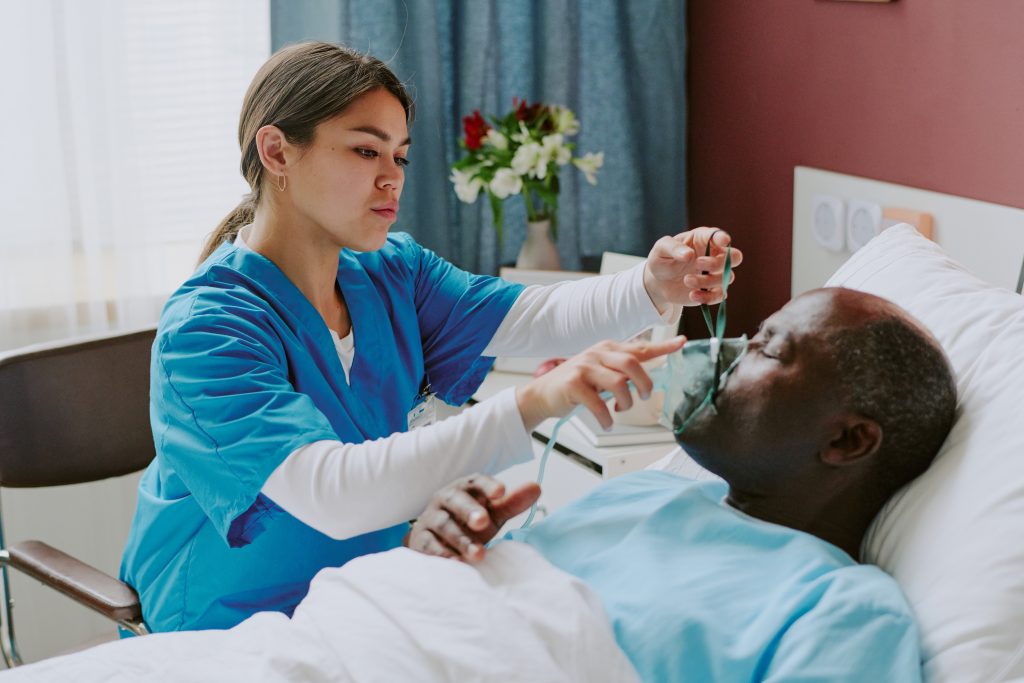
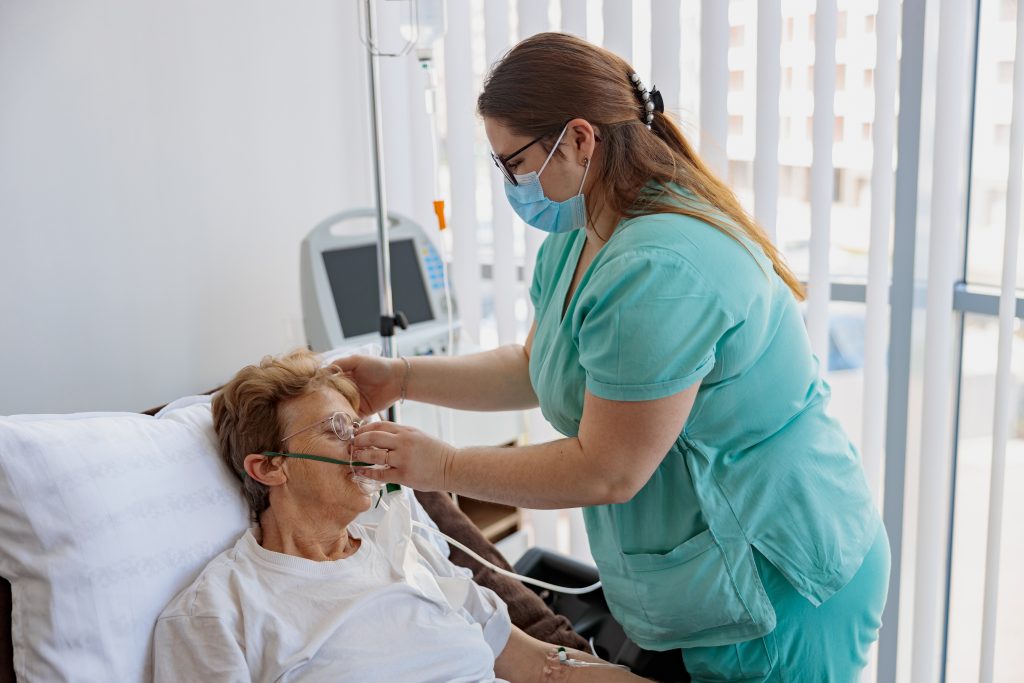
Clinicals are where you convert textbook knowledge into bedside skill. Pensacola programs place students in a variety of real-world settings: acute-care hospitals, long-term care facilities, outpatient clinics, and community health sites inside the city and throughout Escambia County. Expect to work under direct instructor supervision during day, evening, or occasional weekend shifts. The exact mix of sites and hours varies by semester, but you will rotate through adult medical-surgical floors, pediatrics, obstetrics, and mental health units.
Next Steps
Because every school sets its own prerequisites, some may require college-level anatomy and physiology or medical terminology before you start the nursing core, contact each program directly to confirm the latest admission checklist. Pensacola State College’s Career Certificate in Practical Nursing leads straight to NCLEX-PN eligibility, while other schools may offer a diploma pathway. Verify, prepare your materials early, and treat the entrance exam as your first real nursing challenge.