Mississippi nursing schools have almost universally moved their RN to BSN programs online, giving working nurses the flexibility to advance their education without stepping away from patient care. Understanding the differences between fully online and hybrid formats, along with the clinical components, helps you choose a program that fits your schedule and learning style.
Online vs. Hybrid: What's the Real Difference?
The majority of RN to BSN programs in Mississippi are now offered fully online. Among the schools highlighted in this guide, William Carey University, Delta State University, and Alcorn State University deliver all coursework online with no required campus visits. The University of Mississippi Medical Center (UMMC) and Mississippi University for Women (MUW) also provide online tracks, though MUW offers a hybrid option for students who prefer occasional in-person interaction. In practice, even hybrid programs typically require minimal on-campus time, often just an optional orientation or an occasional lab session, while the bulk of instruction happens asynchronously through a learning management system.
Asynchronous learning is the norm, meaning you can log in and complete weekly modules at times that work for your schedule. Most programs do not mandate live class meetings, though some instructors may offer optional virtual office hours or discussion forums. This design is particularly suited to nurses working 12-hour shifts, because it removes the pressure of a fixed class time.
Clinical Requirements: What to Expect
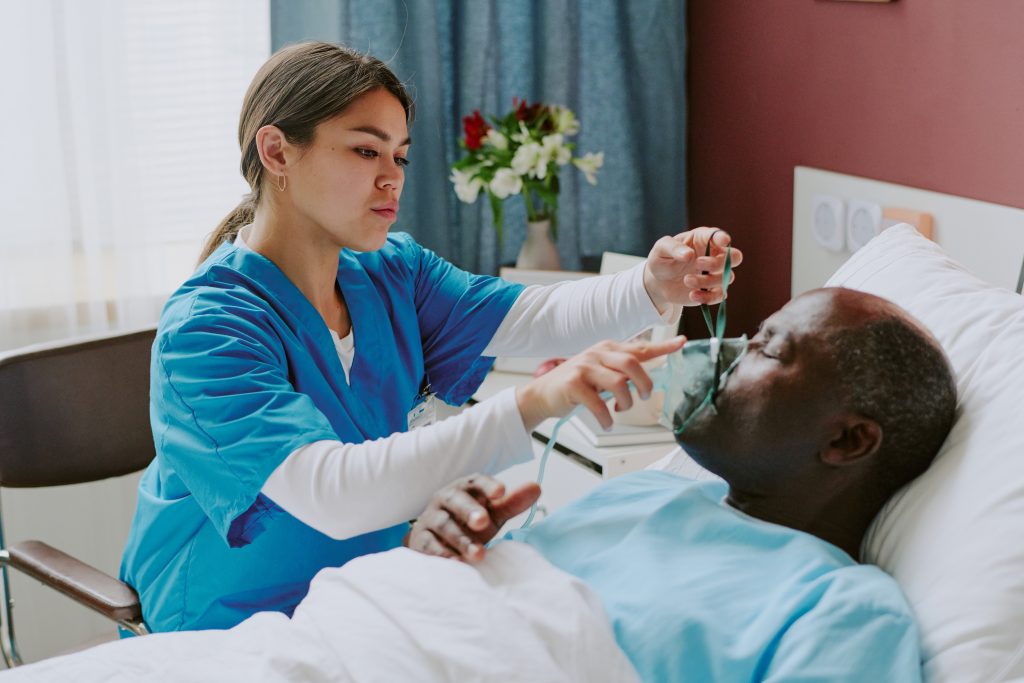
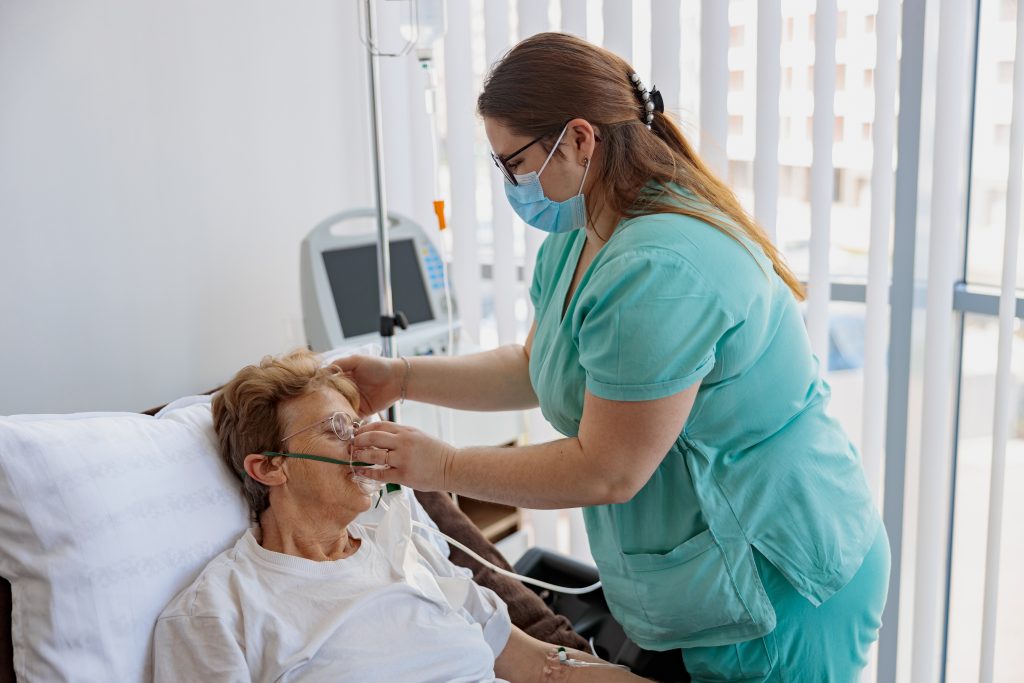
Every RN to BSN program includes clinical or practicum experiences that translate classroom theory into practice. The total number of clinical hours varies by school but typically falls in the range of 90 to 135 hours, spread across courses such as health assessment, community health, and leadership/management. These are not the same as the intensive clinical rotations of a pre-licensure program; instead, they often involve structured projects like a needs assessment at a local health department or a quality-improvement initiative on your own unit.
A major advantage for Mississippi nurses is that many programs allow you to complete clinical requirements at your current place of employment. William Carey University, for instance, explicitly states that clinical work can be done within your existing professional setting. Delta State University and Alcorn State similarly arrange experiences in your local area. UMMC partners with its own affiliated facilities for the management and leadership practicum, which may require travel if you live far from Jackson, but still avoids full-time campus attendance. Check with each program about specific placement procedures and whether you need to secure a preceptor or the school handles the coordination.
Balancing Work, Life, and Coursework
Because these programs are built for working nurses, you can generally expect flexible deadlines, 7- or 8-week course blocks, and no mandatory synchronous sessions. However, occasional synchronous components do exist: some sections of MUW's program may include live online discussions, and a few courses might schedule one-time virtual meetings for orientation or exam reviews. No program reviewed here requires a multi-day on-campus intensive. If you are considering a hybrid track, confirm the exact number of expected campus visits before enrolling.
Technology and Tools You'll Use
You'll need a reliable computer and internet connection. Most schools use a common learning management system (Canvas, Blackboard, or Moodle) to deliver video lectures, assignments, and exams. Some courses may use online proctoring services for tests, which require a webcam and microphone. You may also need to document clinical hours electronically via platforms like Typhon Group or CastleBranch. Familiarity with these tools will help you start strong, but every program provides orientation and tech support.