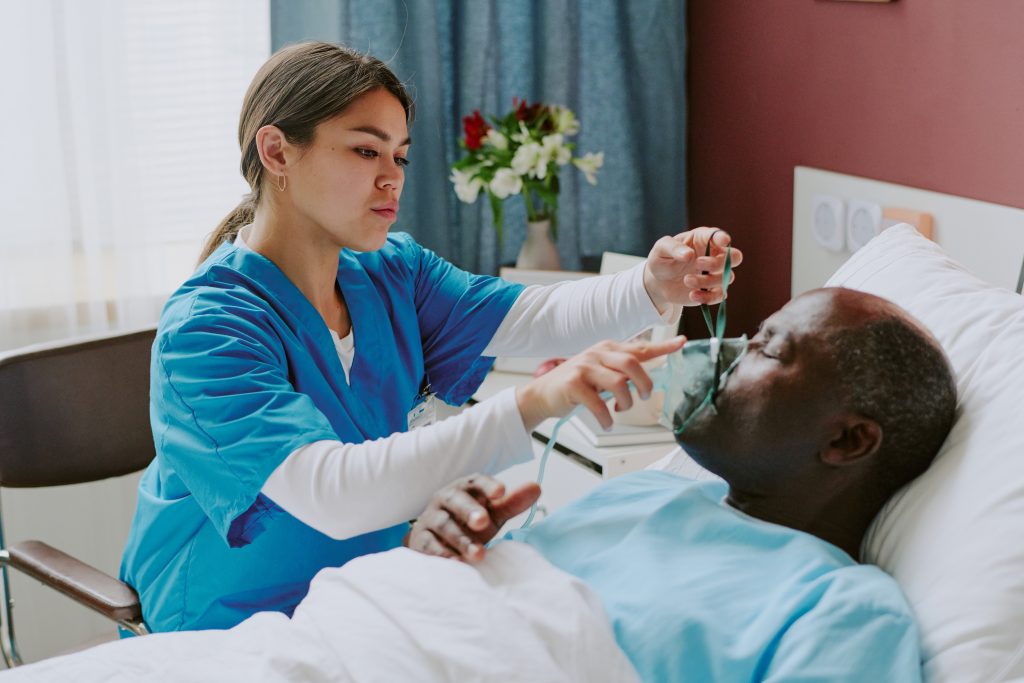
Hawaii's full practice authority lets NPs evaluate, diagnose, and prescribe independently without physician oversight.
Hawaii’s full practice authority lets nurse practitioners evaluate, diagnose, and prescribe without physician oversight, a policy that draws clinicians to an island state where provider shortages leave many communities underserved. That demand is evident in salaries: Hawaii perennially ranks among the nation’s top-paying states for NPs.
Four institutions list 21 NP program offerings across the islands, from the public University of Hawaii at Hilo and UH Manoa to private Chaminade University and Hawaii Pacific University. The mix spans BSN-to-DNP pathways, post-master’s certificates, and an online post-doctoral PNP certificate.
Yet earning potential alone won’t offset Honolulu’s cost of living. Making every tuition dollar count and securing clinical placements that reflect Hawaii’s unique populations will determine who builds a sustainable career here.
2026 Best Nurse Practitioner Programs in Hawaii
Hawaii's four NP-granting institutions offer distinct pathways from BSN-to-DNP to post-graduate certificates, each shaped by the state's unique geography and population. This 2026 ranking weighs affordability, institutional quality, and program features to help you pick the right fit.
What we weighed
Net price and affordability
Institutional graduation rate
NP program variety and delivery
Clinical training opportunities
Local workforce alignment
Underlying data
NCES-IPEDS federal institutional data — nces.ed.gov
The University of Hawaii at Hilo's DNP-FNP program is built for nurses committed to primary care in rural and underserved neighbor islands. Its curriculum infuses transcultural nursing with a focus on Native Hawaiian and Pacific Islander health, and students complete a practice inquiry project addressing real community needs. With the lowest net price among Hawaii NP schools and a strong reputation for NP preparation, it's a top choice for local nurses who want to stay and practice in island communities. The program is offered as a hybrid or on-campus cohort.
Transcultural nursing and rural population health focus
Social justice and health disparities lens
Evidence-based practice and leadership development
Minimum 1,000 supervised clinical hours
Post-BSN and post-master's entry options
Practice Inquiry Project addresses community needs
School-coordinated placements in rural Hawaii sites
#2
University of Hawaii at Manoa
Honolulu, HI
$15,000 – $20,000/yr
Cohort-based multi-concentration DNP students
UH Manoa delivers a full-time, cohort-based DNP with six concentration options, including FNP, PMHNP, and Adult-Gerontology Primary Care. Courses are tailored to Hawaii's multiethnic populations, and the DNP scholarly project must tackle real-world challenges in the state or Pacific region. Students benefit from school-coordinated clinical placements at major Honolulu hospitals and rural sites, and the program's NEXus partnership offers flexibility for course sequencing. It has the strongest institution-wide graduation rate among the ranked schools.
Prepares for adult-gerontology primary care certification
Emphasis on rural and underserved communities
DNP project on real-world primary care issues
Interprofessional and culturally responsive training
Focus on chronic disease management and aging
Clinical placements in Honolulu and neighbor islands
#3
Chaminade University of Honolulu
Honolulu, HI
$25,000 – $30,000/yr
APRNs seeking fast post-doctoral specialization
Chaminade University stands out for its post-doctoral NP certificates, which allow already doctorally prepared APRNs to add a new specialty in as little as 12 months. All NP offerings use a hybrid model with online coursework and annual on-campus intensives in Honolulu, making them accessible to nurses across the state and Pacific. The DNP tracks include BSN-to-DNP and post-master's entry, with a focus on vulnerable populations. As a Marianist institution, the programs emphasize culturally responsive care and service to Hawaii's communities.
Focus on psychiatric mental health across lifespan
Prepares for PMHNP national certification
Requires APRN license and board certification
Fall start, transcript and recommendation review
#4
Hawaii Pacific University
Honolulu, HI
$21,000/yr
Hawaii Pacific University provides the largest portfolio of online NP options in the state, including BSN-to-DNP pathways in FNP, PMHNP, and AGACNP, plus an online MSN-AGACNP and post-master's certificates. Asynchronous courses and dedicated clinical placement support let working nurses balance study with career and family. The university reports a 100% ANCC pass rate for its DNP-FNP track in 2024. While its overall graduation rate reflects the broader student body, the NP programs serve a focused, career-oriented population.
Tuition & Cost Comparison: Public Vs. Private NP Programs in Hawaii
Costs vary sharply between Hawaii's public University of Hawaii (UH) campuses and its private institutions. In-state students at UH Hilo and UH Manoa pay significantly less than out-of-state peers, while private schools charge one flat rate. Median graduate debt from federal data adds a fuller financial picture, UH Manoa graduates carry the lowest debt at $18,500, compared to $23,250 at Chaminade.
Questions to Ask Yourself
Are you eligible for Hawaii in-state tuition, and can employer reimbursement help?
In-state tuition at public programs is lower, and employer reimbursement may offset private costs.
Will you commute between islands for clinicals, and is it in your budget?
Inter-island travel for rotations adds expense; map clinical sites to budget accurately.
Does a DNP's higher cost justify your 10-year career plan over an MSN?
A DNP costs more but can lead to advanced roles; an MSN starts earning sooner with less debt.
Online Vs. On-Campus NP Programs in Hawaii
For aspiring nurse practitioners in Hawaii, the choice between online and on-campus learning involves more than just convenience. With four universities offering FNP programs, you can find fully online didactic coursework, hybrid formats with occasional campus visits, or traditional in-person classes. Hawaii Pacific University offers a 100% online MSN-FNP, but even there, clinical hours must be completed in person, and Hawaii's island geography adds complexity to securing preceptors. Chaminade University provides an online post-doctoral FNP certificate with one annual campus immersion, while the University of Hawaii at Manoa and Hilo have hybrid DNP programs requiring regular on-campus attendance. Below, compare delivery modes, on-campus obligations, and clinical hour totals.
University of Hawaii at Manoa
University of Hawaii at Hilo
Hawaii Pacific University
Chaminade University of Honolulu
Delivery Mode
Hybrid (campus-based with some online components)
Hybrid
100% online
Online with annual on-campus immersion
On-Campus Requirement
Regular in-person coursework
In-person coursework required
None
Annual multi-day immersion
Total Clinical Hours
765 hours
Not specified (contact program)
624 hours
630 hours
Admission Requirements for Hawaii NP Programs
Hawaii’s nurse practitioner programs share a common foundation of admission requirements, but subtle differences in experience prerequisites and application materials can steer your choice. While every school expects a current, unencumbered RN license and a bachelor’s degree, the path from application to enrollment can look quite different depending on whether you have years of bedside practice or are a new BSN graduate.
Core Academic and Licensure Requirements
All NP programs in Hawaii require a Bachelor of Science in Nursing (BSN) from an accredited institution. At the University of Hawaii at Manoa, both the DNP-FNP and the RN-to-MSN tracks set a minimum cumulative GPA of 3.0.12 While other schools’ published minimums should be verified directly, a GPA around 3.0 is a typical baseline across the state. An active Hawaii RN license, or eligibility to obtain one before clinical placements begin, is also non-negotiable.12 If you hold a compact license, check with the Hawaii Board of Nursing about endorsement timelines.
Clinical Experience: A Key Differentiator
One of the biggest variables among Hawaii’s NP programs is the required amount of RN practice. Some tracks welcome applications from new BSN graduates, while others seek candidates with one to two years of full-time clinical experience. For example, UH Manoa’s DNP-FNP pathway does not list a minimum number of post-licensure hours, making it accessible to recent graduates. However, having some bedside experience can strengthen your application and better prepare you for the advanced clinical rotations ahead. Prospective students should review each school’s policy carefully, particularly at programs like Hawaii Pacific University or Chaminade University, where work experience may be weighted more heavily.
Standardized Tests: GRE Waivers
The GRE is largely absent from Hawaii’s NP admissions landscape. Most programs, including UH Manoa’s, have moved away from standardized test requirements. If you are considering an out-of-state online program that partners with Hawaii clinical sites, confirm its GRE policy, but for in-state options, you can typically skip the exam entirely.
Application Materials and Deadlines
Plan on submitting two to three letters of recommendation, a personal statement, and official transcripts. At UH Manoa, the priority deadline for Fall 2026 admission is May 1, 2026,12 a date that often serves as the latest possible submission for program-specific scholarships. Other schools may have rolling admissions or earlier spring deadlines, so build in extra time for your nursing supervisor or faculty to write strong recommendations. Some programs also require a resume or curriculum vitae and an in-person or virtual interview as part of the selection process.
Program Length & Fastest Completion Paths
UH Manoa’s BSN-to-DNP programs for FNP, AGPCNP, and PMHNP students require 75 to 77 credits and run full-time over 36 months. This direct BSN-to-DNP pathway bundles graduate coursework and clinical hours into one continuous track, offering the most efficient route to a terminal nursing practice degree for BSN-prepared nurses in Hawaii.
BSN-to-DNP Timeline at UH Manoa
The full-time, three-year structure varies only slightly by specialty. The FNP and AGPCNP tracks each demand 77 credits, while the PMHNP track requires 75 credits. All three follow a cohort model with a prescribed sequence, ensuring timely completion as long as students stay on track. Pursuing a DNP rather than an MSN typically adds one to two years beyond a standalone master’s degree, but for nurses intent on the highest practice credential, the integrated BSN-to-DNP saves time over completing an MSN and then returning for a DNP.
Post-Master’s DNP and Part-Time Paths
Advanced practice nurses already holding an MSN can pursue a post-master’s DNP at UH Manoa. The PMHNP post-master’s pathway takes 36 months full-time (63 credits), while the Organizational Leadership focus is a 29-credit program delivered part-time, online. Part-time options for BSN-to-DNP students are not widely advertised; however, for working RNs considering other Hawaii schools, part-time MSN tracks often extend to roughly three years, compared to under two years for full-time study.
Accelerated Entry for Career Changers
The Graduate Entry Program in Nursing (GEPN) provides an accelerated bridge for non-nursing bachelor’s degree holders. GEPN students complete the DNP FNP or AGPCNP pathway in 48 months (126 credits), a longer but logical timeline given the foundational nursing instruction integrated into early semesters.
Choosing the Fastest Completion Path
Your educational background determines the quickest route. BSN graduates can finish in three years via the BSN-to-DNP. MSN holders benefit from shorter post-master’s options. Career changers face a four-year GEPN path. While other Hawaii institutions may offer MSN-level NP programs, specifics on part-time or accelerated availability are limited. Contacting programs directly remains the most reliable way to confirm a timeline that accommodates a working nurse’s schedule.
How to Get Your APRN License in Hawaii
Hawaii grants nurse practitioners full practice authority, meaning you can evaluate, diagnose, prescribe, and practice independently without physician oversight. Follow these steps to earn your APRN license and start your career.
Nurse Practitioner Salary & Job Outlook in Hawaii
How much do nurse practitioners earn in Hawaii, and is the salary enough to offset the state's high cost of living? Hawaii consistently ranks among the top-paying states for nurse practitioners. The most recent state data (2024) reports a mean annual wage of $135,020 for NPs in Hawaii, while the most recent national median annual wage was $121,610 (2022). Even at the national median, Hawaii’s mean sits well above that figure, reflecting the premium employers pay to attract clinicians to the islands. However, that salary advantage is partly offset by the state’s notably high cost of living, especially in Honolulu where most NP programs are concentrated.
Earnings Range: What You Can Expect
Nationally, nurse practitioners see a broad earnings range. The 10th percentile was $87,340, rising to $103,250 at the 25th percentile, $135,470 at the 75th, and $165,240 at the 90th percentile. While state-specific percentiles for Hawaii are not published in the current dataset, the state’s higher mean suggests that its lower percentiles likely exceed the national figures, and the top end may reach well above $150,000 annually. Keep in mind that these are occupation-wide averages; early-career NPs and those in rural or community settings often start lower.
What Hawaii NP Program Graduates Actually Earn
Program-level earnings data for recent graduates of Hawaii NP schools are not yet available in the federal database. That means the typical early-career salary one year or four years after graduation cannot be directly reported here. However, the robust demand for primary care across the state and the high BLS occupational mean suggest that new NPs in Hawaii can expect strong starting offers, particularly if they are willing to practice on neighbor islands where shortages are acute.
Strong Job Outlook Driven by Island Healthcare Gaps
Nationally, NP employment is projected to grow much faster than average, with about 320,400 jobs in 2024. In Hawaii, the total NP employment was just 470 in the same year, a small workforce relative to the need. The state’s unique geography creates persistent healthcare access challenges on the neighbor islands, driving demand for nurse practitioners who can provide primary care in rural and underserved communities. Hawaii’s full practice authority for APRNs further expands the roles NPs fill, making them central to the state’s healthcare delivery model.
Cost of Living: The Real Purchasing Power
A six-figure salary in Hawaii does not stretch as far as it would in many mainland states. Honolulu’s housing costs are among the highest in the nation, and even on neighbor islands living expenses are elevated. NPs earning $135,000 will find that a significant share goes toward rent or mortgage, utilities, and groceries. When evaluating job offers, factor in location-specific cost of living adjustments and consider that a salary that looks generous on paper may leave less discretionary income than a lower wage in a more affordable market.
FNP Certification Pass Rates at Hawaii Schools
National pass rate averages provide a baseline, but school-specific data reveals how Hawaii programs truly measure up.
Why FNP Pass Rates Matter
First-time certification pass rates indicate alignment between a program's curriculum and the exams administered by the AANP and ANCC. Programs with consistently high pass rates demonstrate effective preparation across didactic content, clinical hours, and board-style testing. For applicants, these figures are a practical metric to compare program quality beyond rankings or tuition costs.
National First-Time Pass Rate Benchmarks
Nationally, first-time pass rates for FNP certification exams typically range between 85% and 90%, though exact figures vary slightly by year and certifying body. AANP and ANCC do not always release aggregated program-level data, making direct comparisons challenging. When a program's rate falls below the national norm, it may signal gaps in content coverage or student support.
Hawaii School-Specific Data: What's Available
Publicly reported FNP certification pass rates for Hawaii NP programs are sparse. The University of Hawaii at Manoa's DNP-FNP pathway is eligible for certification, but its most recent pass rates for the FNP exam are not published in easily accessible formats. Hawaii Pacific University's FNP tracks (BSN to MSN, BSN to DNP, and post-master's) also do not prominently display certification outcomes on their websites. Chaminade University's NP programs similarly do not share this data publicly. Some schools may self-report pass rates in CCNE or ACEN accreditation documents or provide them upon request, but these are not consolidated in a single state-level resource.
Employment Outcomes as a Complementary Metric
In the absence of exam pass rate data, some Hawaii NP programs share job placement statistics. These figures can offer insight into how well graduates transition to clinical roles, though they are not a substitute for certification performance. Prospective students should inquire about both pass rates and employment outcomes when speaking with program advisors.
How to Verify Program Performance
Given the scarcity of published data, the most reliable approach is to contact each program's admissions or student services office directly. Request the most recent class's first-time AANP or ANCC pass rate, ask for the number of test-takers included, and inquire about any support resources such as exam review courses. This proactive step can provide a clearer picture than relying on fragmented online information.
Frequently Asked Questions About Nurse Practitioner Programs in Hawaii
Choosing a nurse practitioner pathway in Hawaii means weighing cost, delivery format, and post-graduate authority. These answers address the most common questions prospective students ask when comparing programs.
Yes, Hawaii offers in-state nurse practitioner programs at several accredited institutions. The University of Hawaii at Manoa provides multiple NP tracks, including family and psychiatric mental health. Hawaii Pacific University also offers graduate nursing pathways. These programs prepare students for APRN licensure in the state, with local clinical placements available across the islands.
Public universities typically present the most affordable option. The University of Hawaii at Manoa's NP tracks carry lower per-credit tuition rates for residents compared to private schools. While exact costs vary by enrollment status, students can expect total tuition in the range of $30,000 to $40,000 for an MSN-level NP degree at the public institution.
Fully online FNP programs are limited from Hawaii-based schools, but hybrid models are common. Didactic coursework is often delivered online, while clinical requirements must be met at approved sites within Hawaii or in neighboring states under faculty supervision. Check program specifics for travel expectations and on-campus intensives.
Yes, Hawaii is a full practice authority state for nurse practitioners. Legislation passed in 2023 allows NPs to evaluate patients, diagnose, order tests, and prescribe medications without a supervisory agreement after meeting transition-to-practice hours. This expanded scope enhances autonomy and access to primary care across the islands.
Nurse practitioners in Hawaii earn salaries that reflect the high cost of living. Recent Bureau of Labor Statistics data places the median annual wage for Hawaii NPs above $140,000, well over the national median of $126,260. Actual earnings depend on specialization, experience, and practice setting, with rural and specialty roles often commanding higher pay.
Yes, the University of Hawaii at Manoa offers a Doctor of Nursing Practice program with several advanced practice tracks. The DNP pathway builds on master's preparation and can be pursued full-time or part-time. Post-master's DNP options allow working NPs to earn the terminal degree while continuing to practice.
For a BSN-prepared RN entering an MSN-NP program, full-time study typically takes two to three years. Part-time completion extends the timeline. ADN-to-NP or bridge programs may add a year. DNP pathways generally require three to four years post-BSN. Clinical hours and licensure steps add several months after graduation.